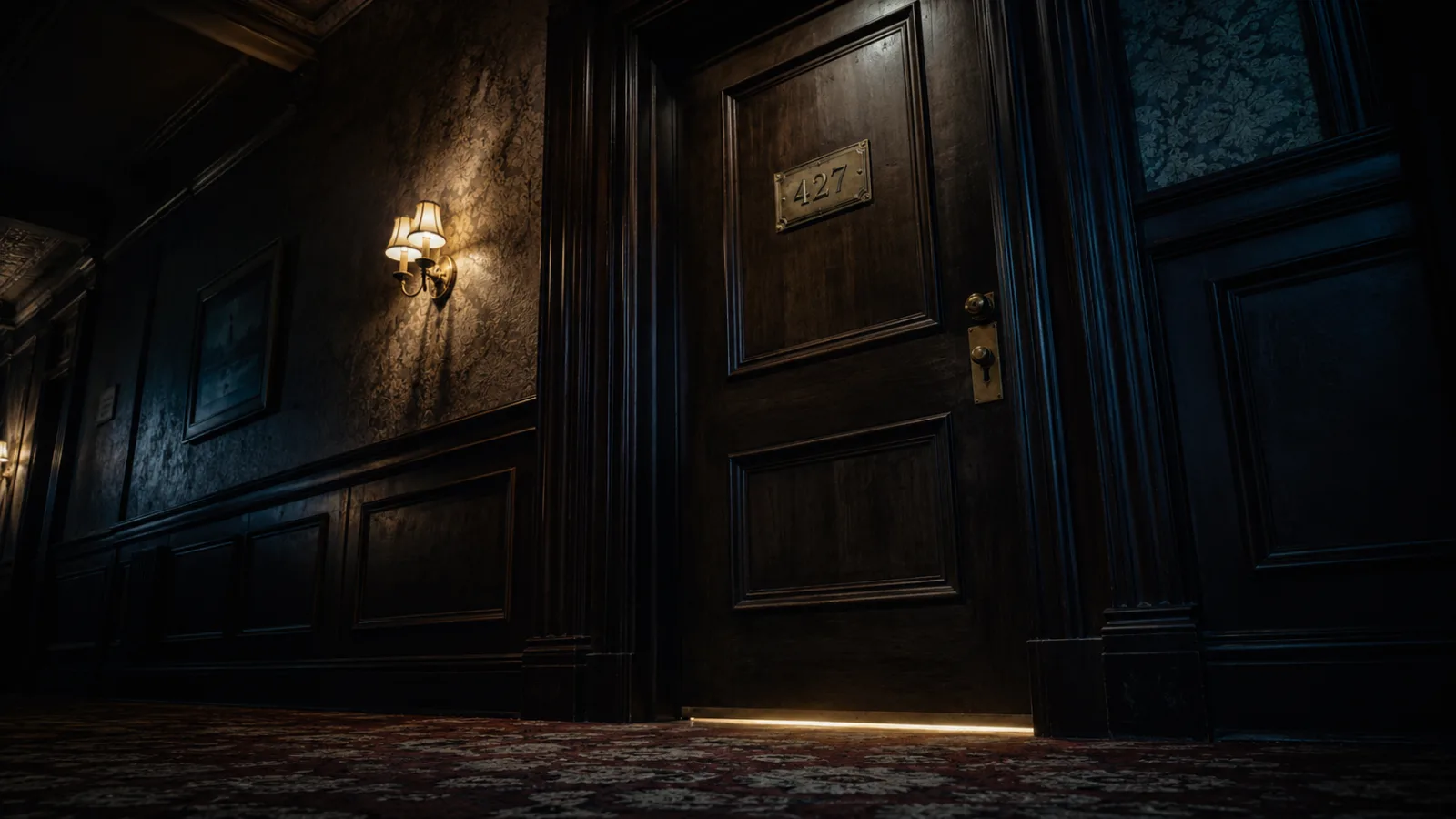
The door is locked from the inside. The bed is undisturbed. And yet, according to decades of guest reports at the Stanley Hotel, someone, or something, has been sleeping there.
This is the room where Stephen King stayed for a single night in the autumn of 1974, a night that gave the world *The Shining*. But long before King ever set foot on the property, the Stanley Hotel already had a reputation. The question that's followed this building for over a century isn't really whether it's haunted. It's why so many different people, across so many decades, keep describing the exact same things.
A Grand Hotel Built by an Inventor
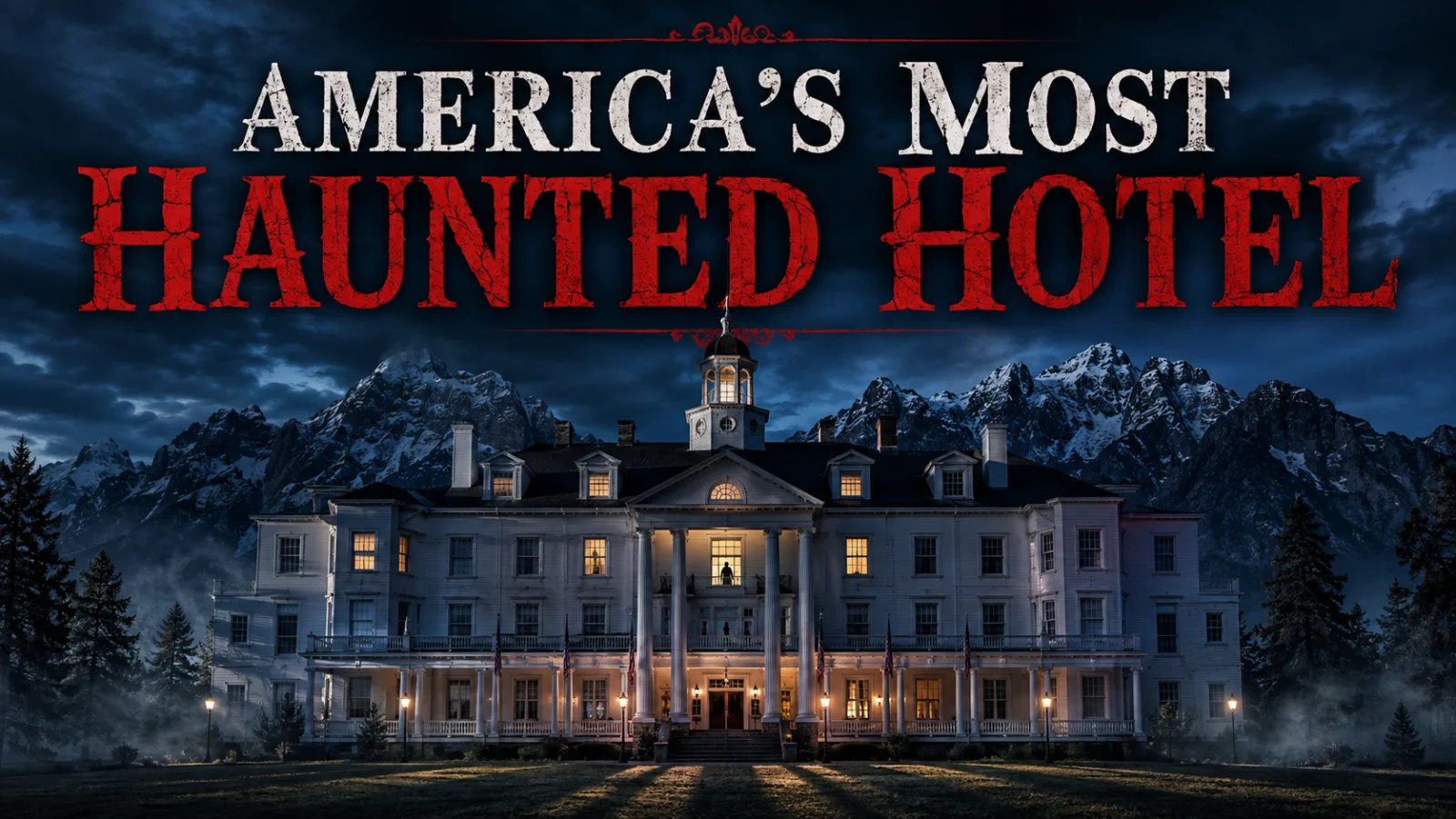
The Stanley Hotel sits at 7,700 feet above sea level, on a ridge overlooking Estes Park, Colorado, with the Rocky Mountains rising behind it. Construction finished in 1909, commissioned by Freelan Oscar Stanley.
F.O. Stanley wasn't a hotelier by trade. He was an inventor, best known, along with his twin brother Francis, for the Stanley Steamer, one of the earliest successful steam-powered automobiles. In 1898, Stanley was diagnosed with tuberculosis, and his doctors gave him only months to live. Seeking cleaner air, he traveled to the Colorado high country. His health improved, and he went on to live another thirty-six years.
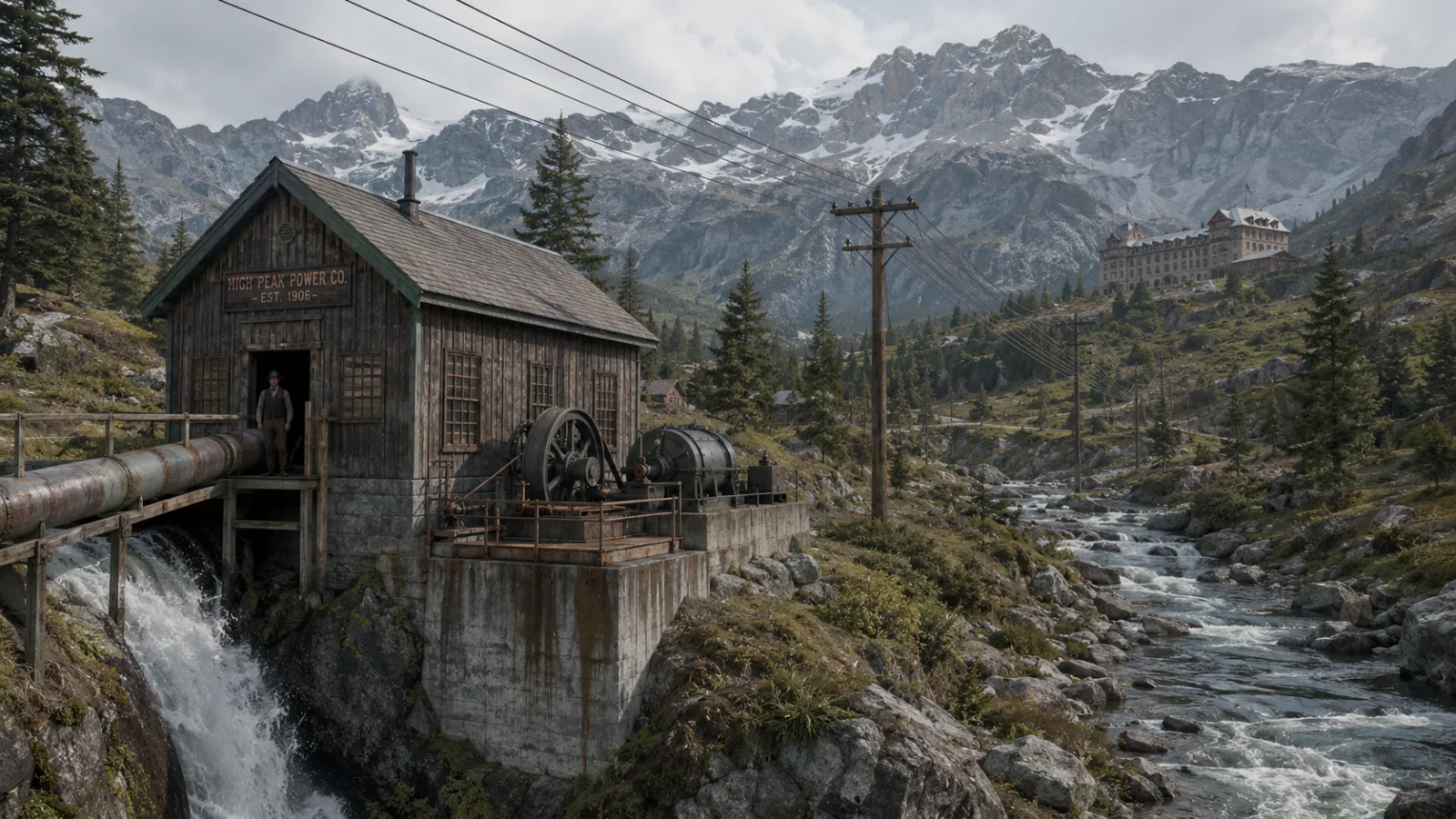
Grateful, and struck by the beauty of the region, Stanley built a grand hotel for wealthy travelers and fellow health-seekers. The result was a striking white Georgian Revival building, fully wired for electricity at a time when the surrounding town still relied on candlelight and oil lamps. Stanley even installed his own hydroelectric plant to power it, an ambitious, forward-looking project that makes what happened there afterward all the more curious.
The Earliest Ghost Stories
The stories begin almost immediately after opening.
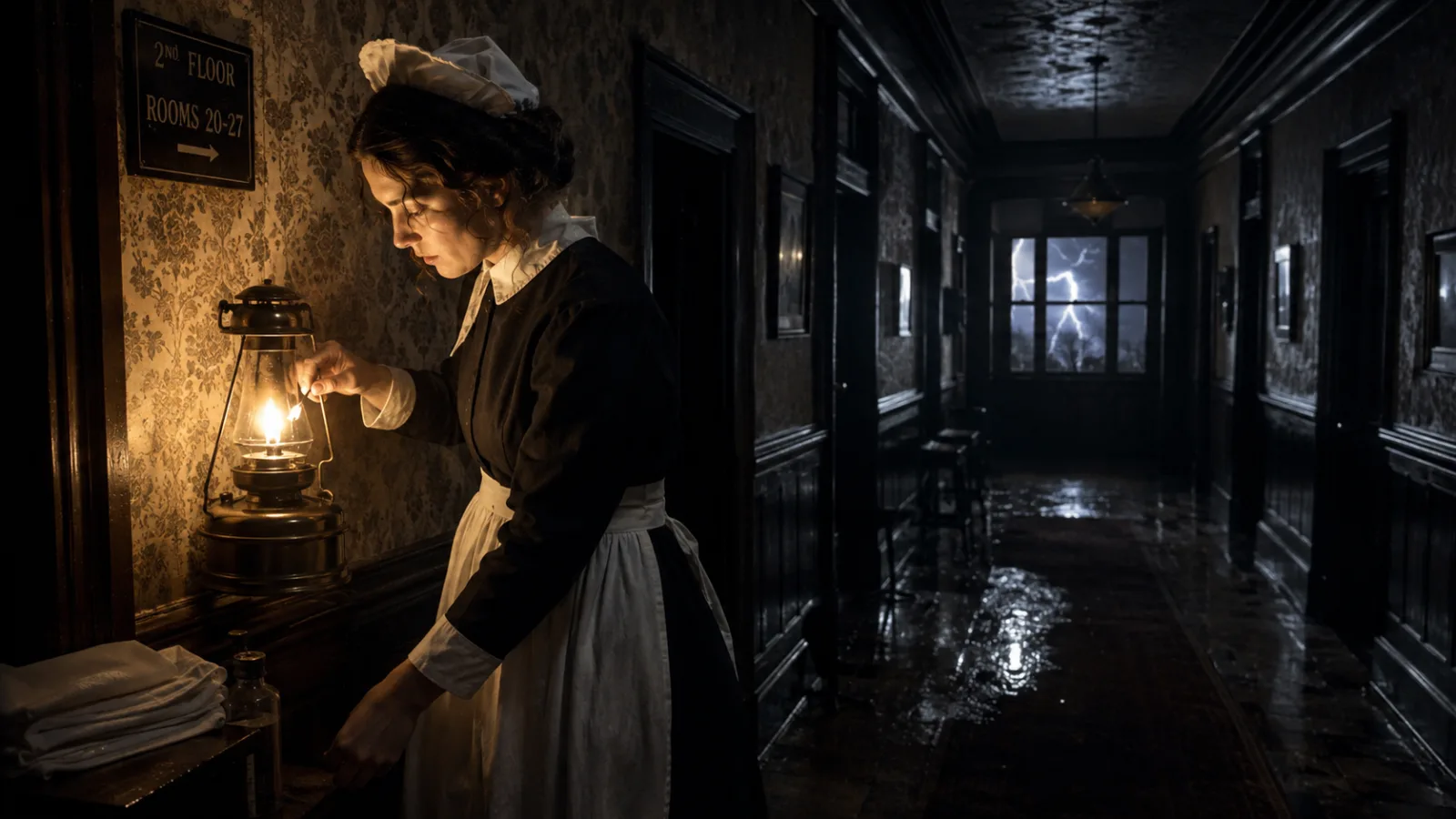
The most frequently cited involves Elizabeth Wilson, the hotel's head housekeeper during the Stanleys' era. In 1911, a severe storm knocked out the hotel's power. Wilson was in Room 217, lighting acetylene lamps, when a gas leak caused an explosion. She fell through the floor, breaking both ankles, but survived and continued working at the Stanley for years afterward. According to hotel staff accounts passed down over generations, guests and employees have long reported her presence still lingering in that room, a figure who turns down beds or tidies belongings before any staff member has entered. This is oral tradition and guest testimony, not something that can be independently verified, but the consistency of the story across decades of different staff is part of what's kept it alive.
F.O. Stanley himself is also part of the legend. Guests and staff have reported seeing a tall, well-dressed man in the billiard room and lobby, matching descriptions of Stanley from photographs. His wife, Flora Stanley, an accomplished pianist, is said to be heard playing the concert hall piano late at night, long after the room has been locked and cleared.
The Night That Inspired The Shining
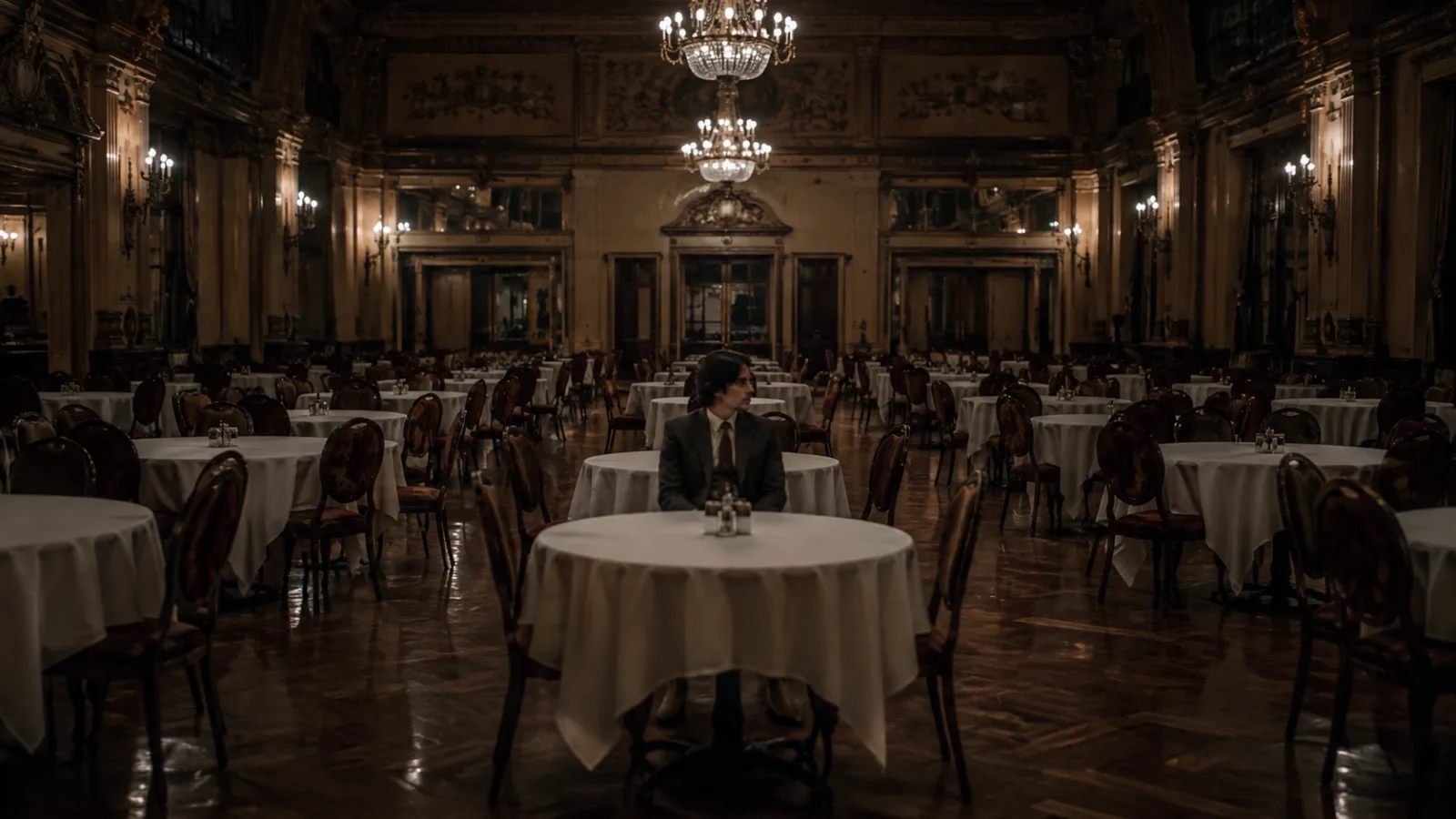
Stephen King and his wife Tabitha arrived at the Stanley in September 1974, at the tail end of the season, with the hotel nearly empty and preparing to close for winter. King later described walking through the vacant, echoing halls and dining alone in a grand room meant for hundreds. That night he had a vivid nightmare about his young son being chased through the corridors by a fire hose come to life. By the time he finished a cigarette after waking, he said, he had the outline of *The Shining* in his head.//
The Overlook Hotel of the novel is not a literal depiction of the Stanley. King has said the geography and details diverge significantly, and the notorious hedge maze appears nowhere in the real building. But the atmosphere, the isolation, and the sense of a grand structure holding onto its own history came directly from that one night's stay.
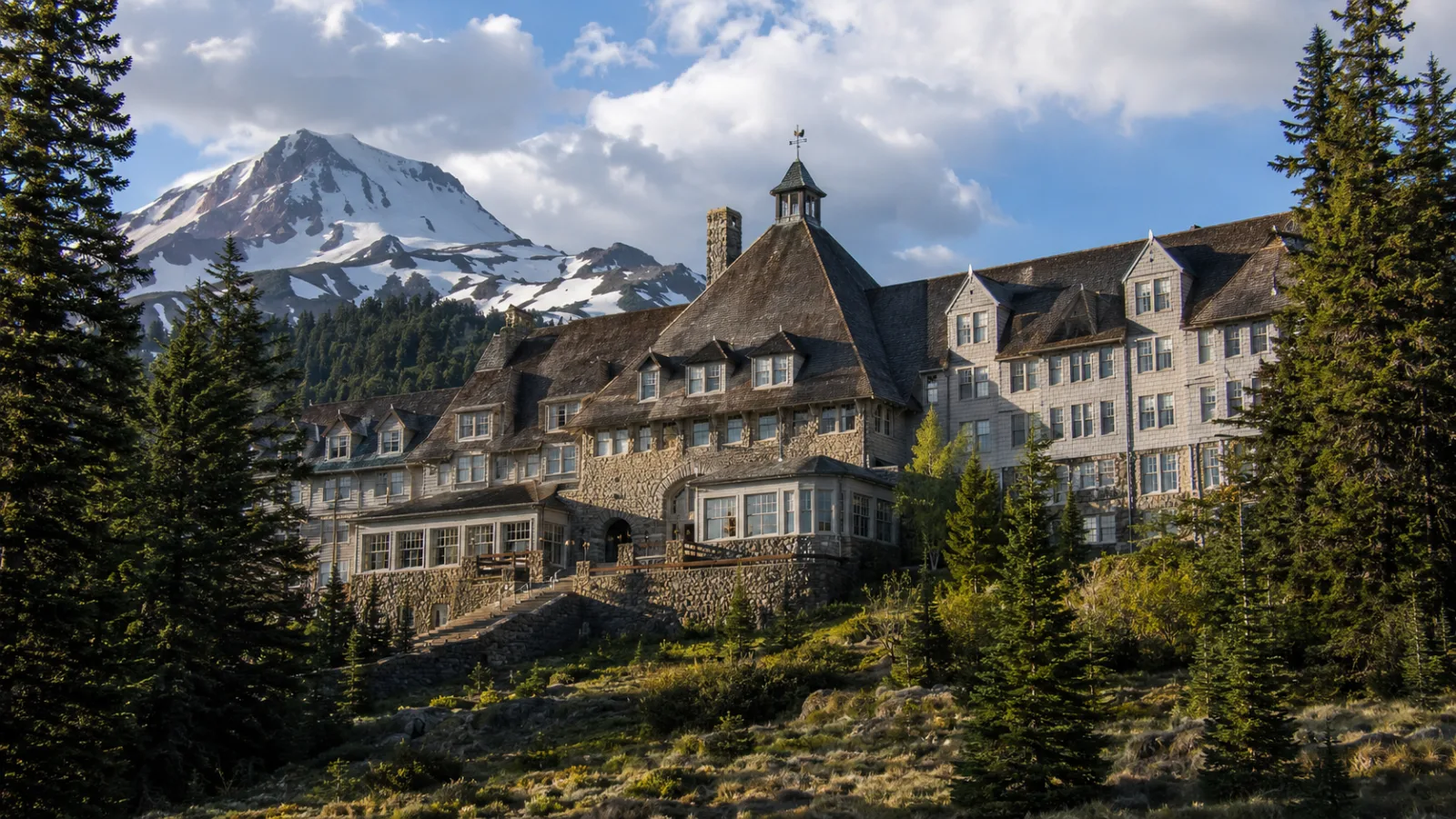
It's also worth clarifying a common point of confusion. Stanley Kubrick's 1980 film adaptation was not shot at the Stanley Hotel at all; it was filmed primarily on soundstages in England, with exterior shots borrowed from Oregon's Timberline Lodge. The 1997 television miniseries, which King was involved in, was filmed on location at the Stanley. That's often where the public's visual association with the hotel actually comes from.
What the Evidence Actually Shows
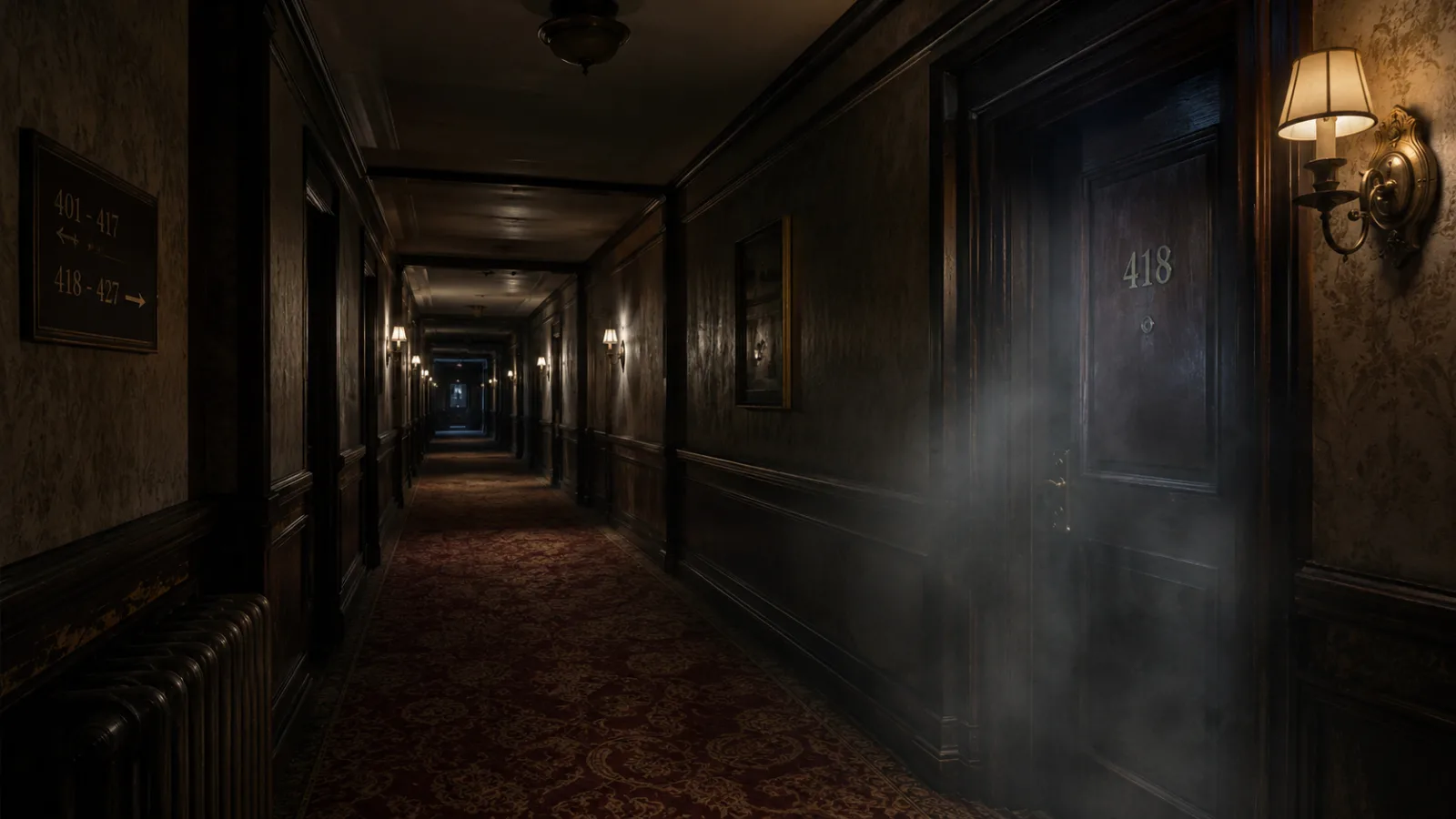
Beyond stories passed hotel to hotel and guest to guest, there are guest logs and staff testimonies spanning more than a century describing phenomena with notable consistency: unexplained cold spots around Room 418, where families have reported hearing children's laughter despite no children being registered on that floor; self-playing pianos in the Music Room; and persistent reports concentrated on the fourth floor, which staff have long referred to as the site of the most frequent unexplained activity.
Paranormal investigation teams have visited the Stanley since the 1990s, using instruments like electromagnetic field detectors and infrared cameras. None of these tools are scientifically validated as capable of detecting ghosts. An EMF spike can be explained by faulty wiring or nearby appliances, unsurprising in a building with electrical infrastructure over a hundred years old. Cold spots can result from drafts, uneven insulation, or the physics of a large stone-and-wood structure at high altitude.
Possible Natural Explanations
There's also a psychological and environmental theory worth taking seriously. The Stanley sits at significant elevation, in a region known for dramatic pressure changes. Some researchers who study reported hauntings have pointed to infrasound, low-frequency sound waves below human hearing that can be produced by high winds moving across certain architecture, which some laboratory studies have associated with feelings of unease or a sense of being watched. Whether infrasound is actually present and measurable at the Stanley hasn't been rigorously documented in peer-reviewed research; it remains a plausible contributing factor rather than a proven cause.
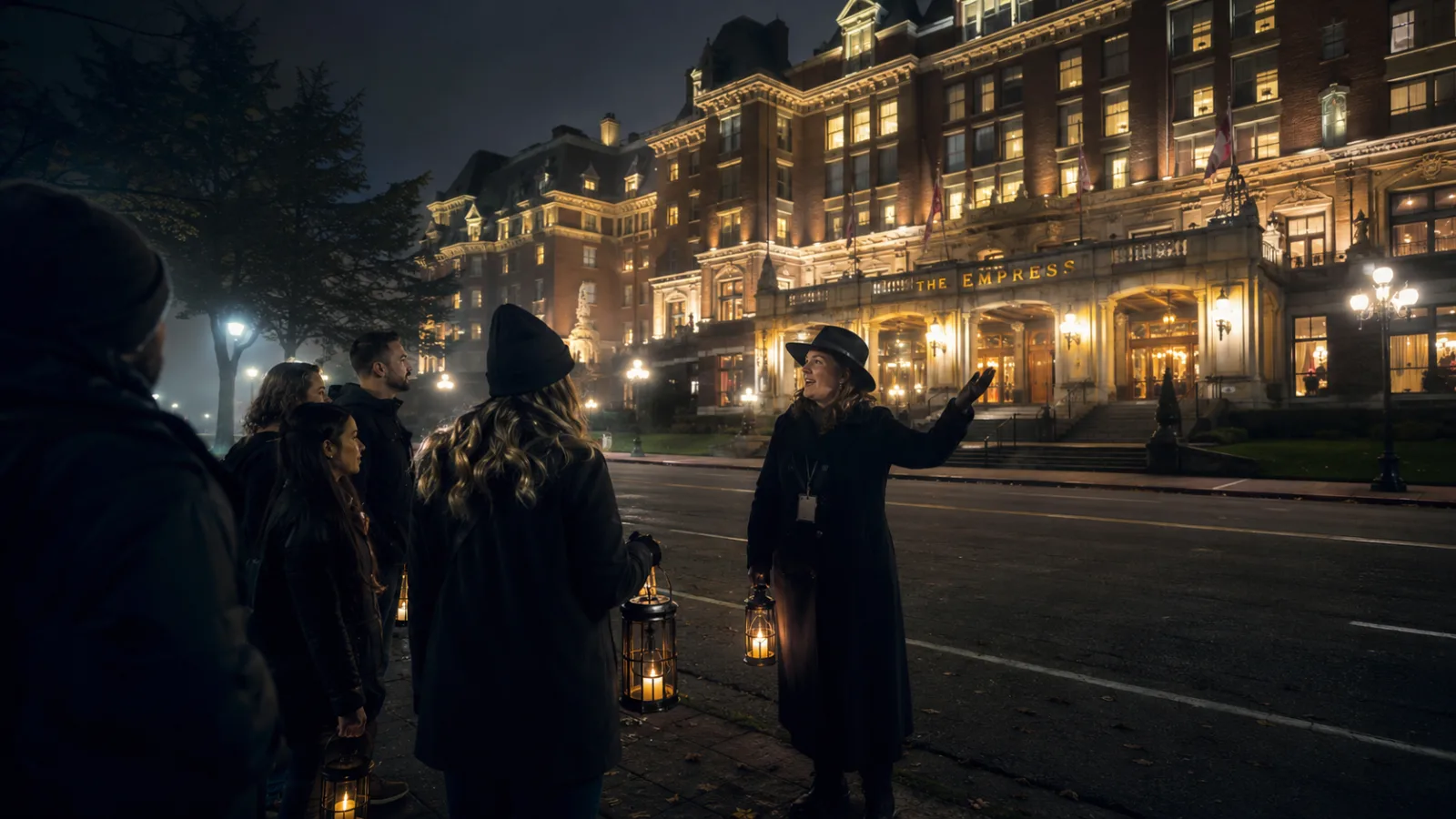
There's also the power of expectation. The Stanley has spent decades marketing itself around its haunted reputation, with nightly ghost tours and Shining-themed merchandise. Psychologists who study perception have noted that when people are primed to expect something unusual in an unfamiliar, dimly lit environment, they're more likely to interpret ordinary stimuli, a creaking floorboard, a shifting curtain, as something extraordinary. That doesn't mean every witness is imagining things; it means the environment itself may be doing some of the work.
A Pattern That Resists Easy Answers
And yet, the stories persist among people with no financial or promotional interest in the hotel's reputation. Staff who've worked there for decades describe experiences they say they can't otherwise explain. Guests write reviews, unprompted, describing the same specific details, footsteps on the fourth floor, a woman in the 200 wing, without necessarily having heard the older stories first. Consistency across independent, unconnected witnesses over more than a century isn't proof of anything supernatural, but it is a genuine pattern worth taking seriously even without a full explanation.
What remains is a building with real, documented history: a tuberculosis survivor's improbable recovery, a housekeeper's genuine accident, and a novelist's sleepless night that became one of the most famous horror stories ever written. Layered on top of that history is a hundred years of testimony that resists tidy explanation, alongside plausible mundane causes that resist tidy dismissal.
The Stanley Hotel doesn't need embellishment. Its real history is strange enough on its own. The question isn't whether the Stanley is haunted. It's why a building's history can feel so alive that, after a century, people still can't stop hearing footsteps in its empty halls.