Ten miles away, give or take, a ship sat still in the ice. Her engines were off. Her wireless operator had gone to bed. And somewhere on the black water between her and a sinking liner, more than fifteen hundred people were freezing to death.
This is not a story about whether the Titanic could have been saved. It's a story about a ship that might have saved her — and never moved.
The Titanic's Final Hours
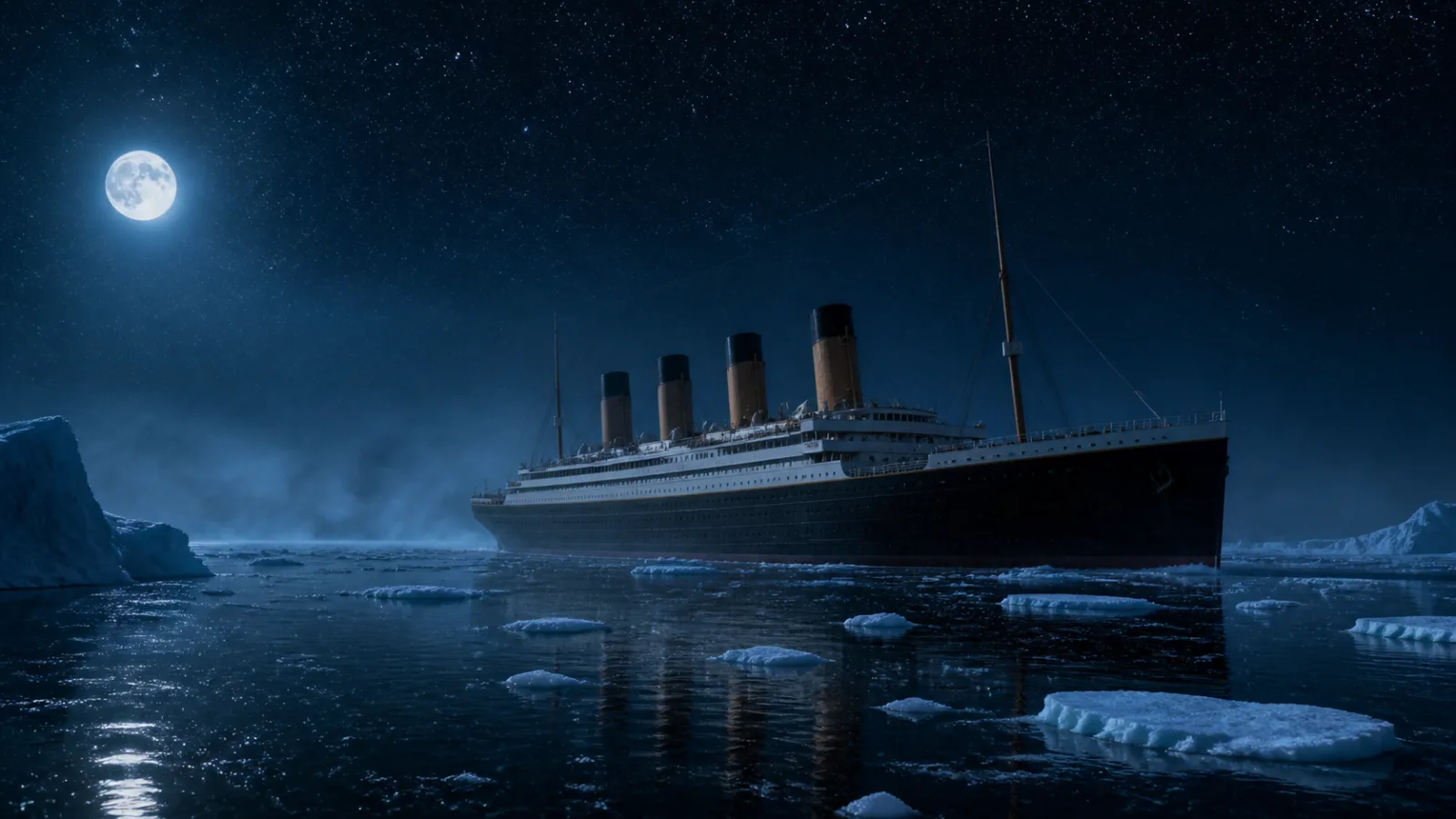
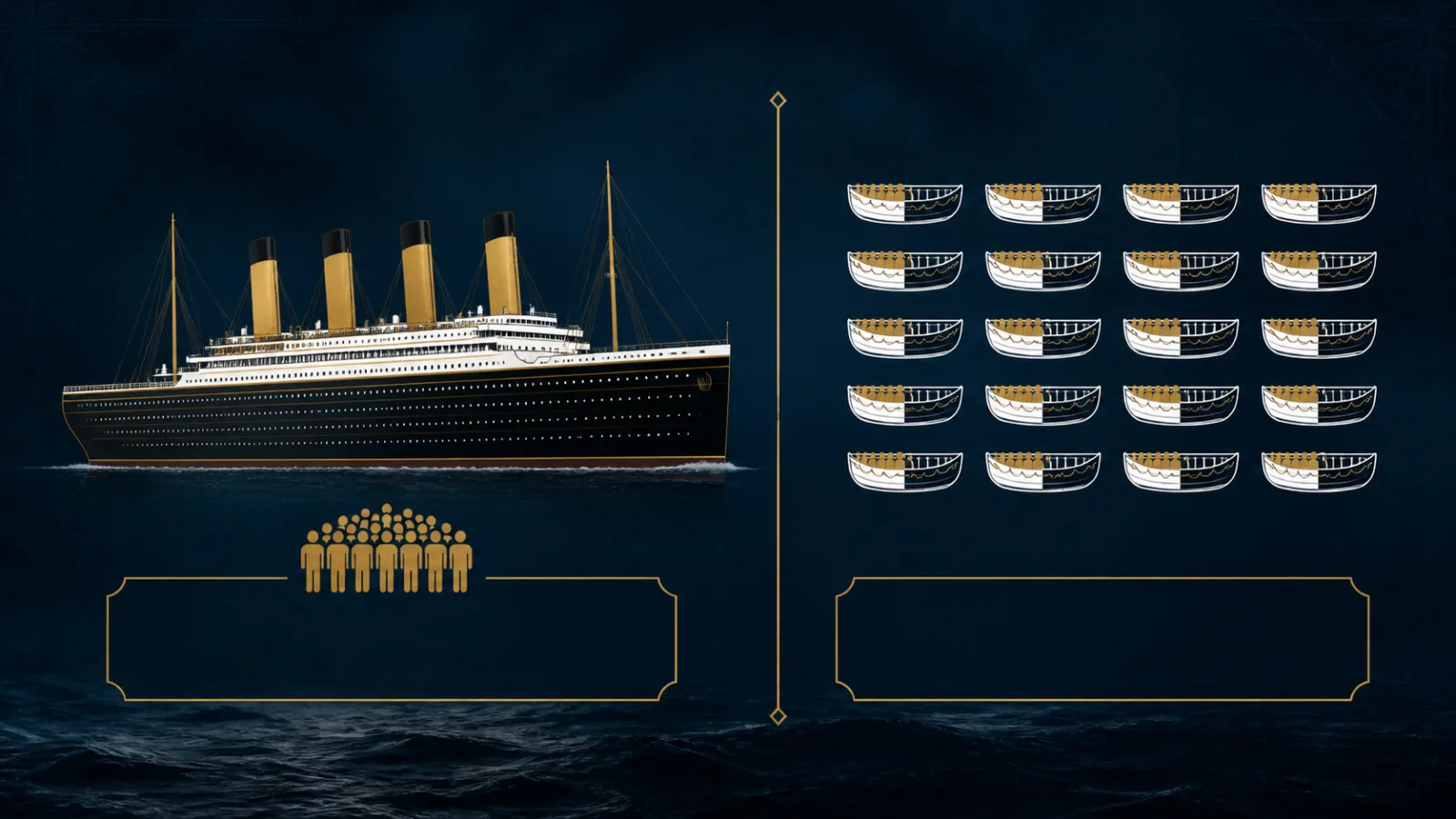
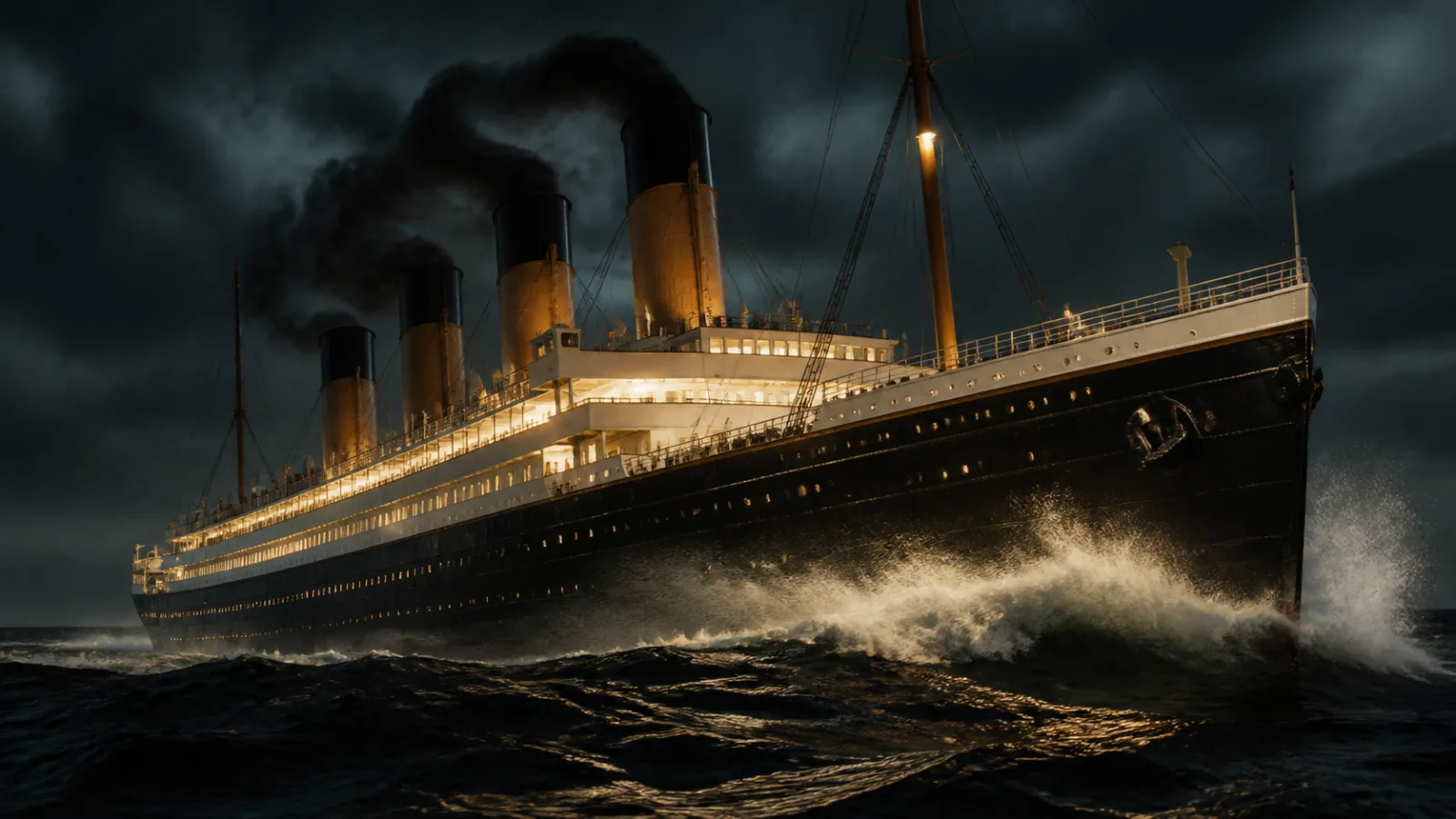
By the night of April 14, 1912, the Titanic was four days into her maiden voyage from Southampton to New York — the largest moving object ever built by human hands, marketed as the safest ship afloat. She carried a little over two thousand two hundred passengers and crew, but lifeboats for barely half of them. Just after 11:40 that night, she struck an iceberg along the North Atlantic shipping lanes, opening her hull to the sea. She would sink in under three hours.
The Titanic was not alone out there. Other ships received her distress calls and altered course, racing through the dark. The Cunard liner Carpathia turned and ran flat out for four hours to reach the survivors — and arrived to find only lifeboats and wreckage. The Carpathia's rescue remains one of the most well-documented acts of maritime heroism in history.
The other ship's story is not so clean.
Introducing the Californian
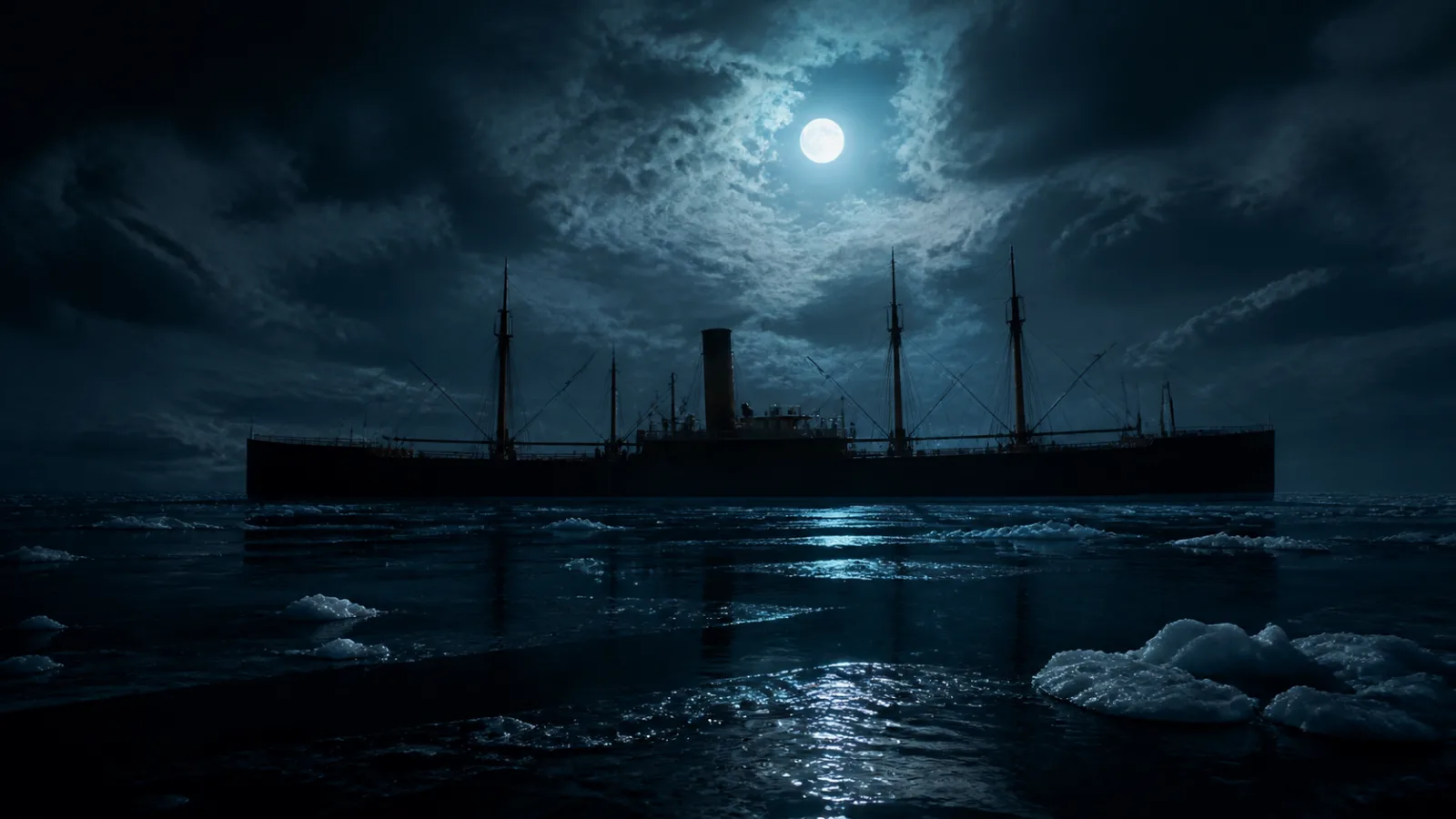
She was the Californian, a Leyland Line steamer under Captain Stanley Lord, carrying no passengers that voyage — only cargo. On the night of April 14, she was stopped dead in the water, boxed in by drifting ice, somewhere north of the Titanic's position.
How far north is the entire argument.
A Fatal Miscommunication
Around 10:21 that night, the Californian's wireless operator, Cyril Evans, tapped out a message to the Titanic: ice ahead, so much of it that his own ship had stopped for the night rather than risk pushing through in the dark. This was standard practice — ships routinely halted near ice fields until morning light.
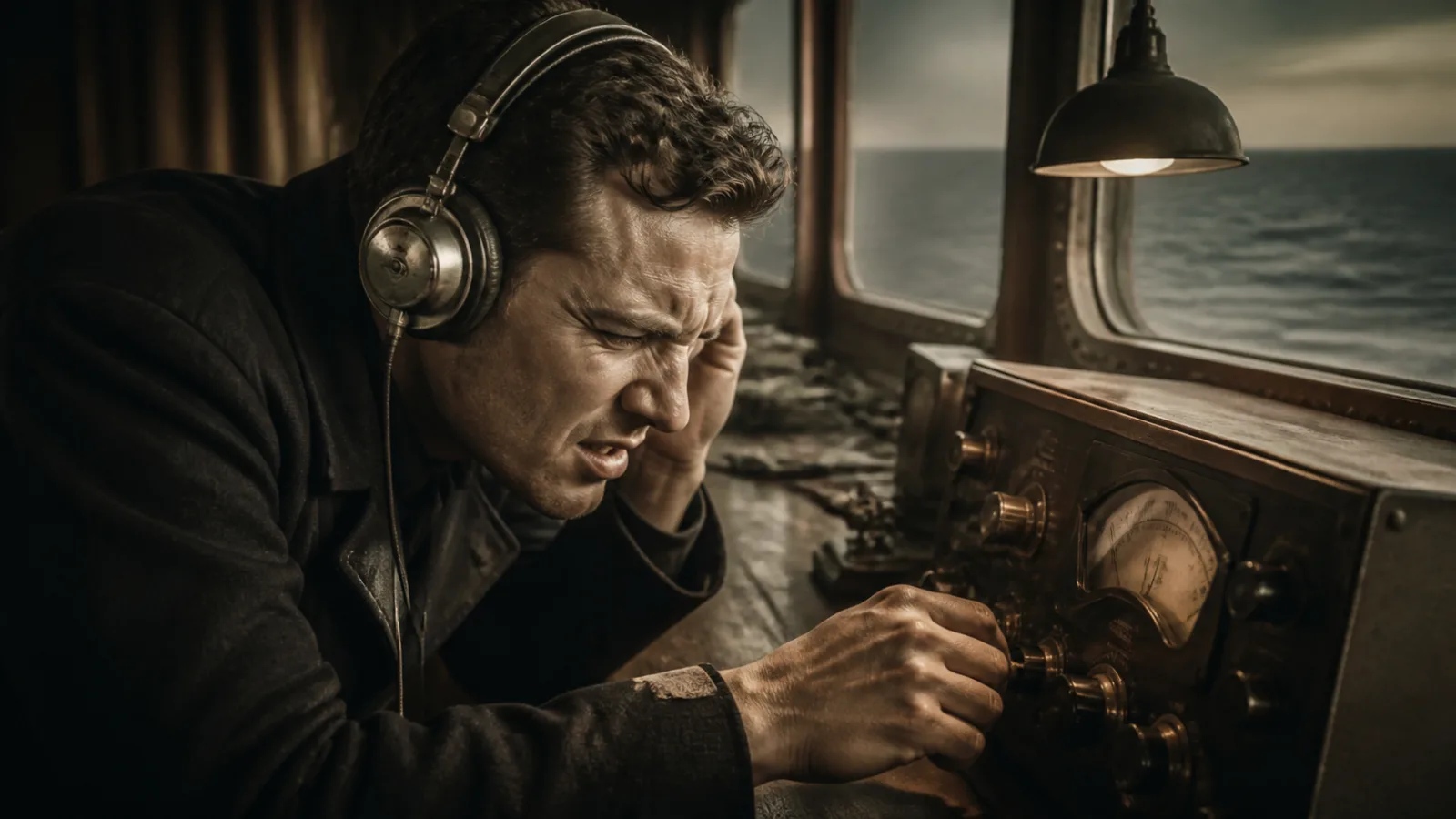
The Titanic's wireless operator, Jack Phillips, was buried under a backlog of personal messages from wealthy passengers wanting to reach New York. Evans's ice warning came through loud in his headphones at a moment he was mid-transmission to the shore station at Cape Race. Phillips shot back a curt reply — something to the effect of keep out, I'm working Cape Race. It wasn't hostility, just a busy operator brushing off what he took to be routine traffic. But it meant the specifics of that ice warning — the Californian's exact position, boxed dead in the pack — never registered as it should have.
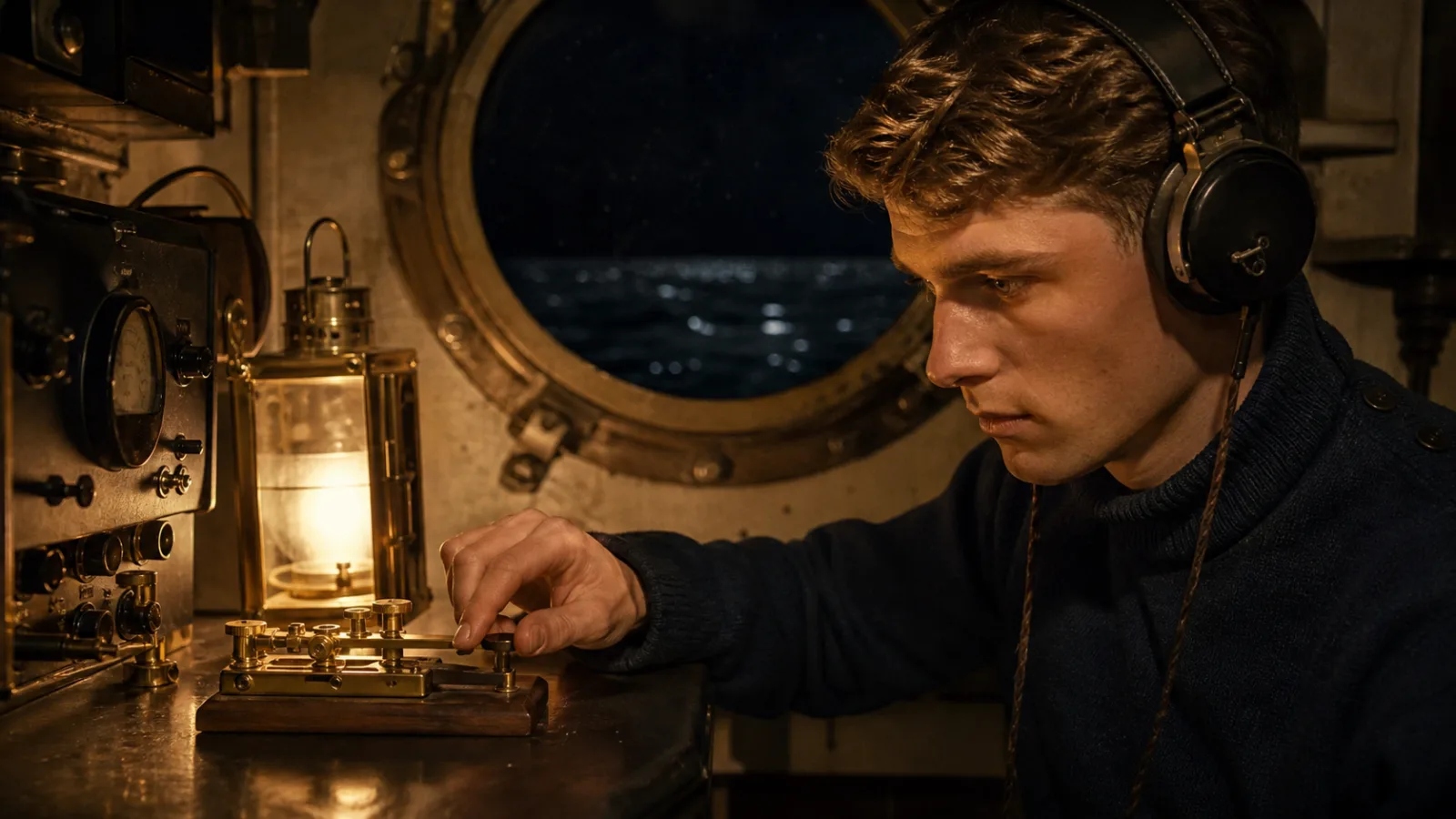
Rebuffed, Evans did what wireless operators did in 1912 when there was nothing left on the schedule. Around 11:30, he took off his headphones and went to bed. Ships of that era carried only one wireless operator. There was no one listening on the Californian after that.
Eleven-forty came and went. The Titanic struck her iceberg.
Officers Watch the Flares
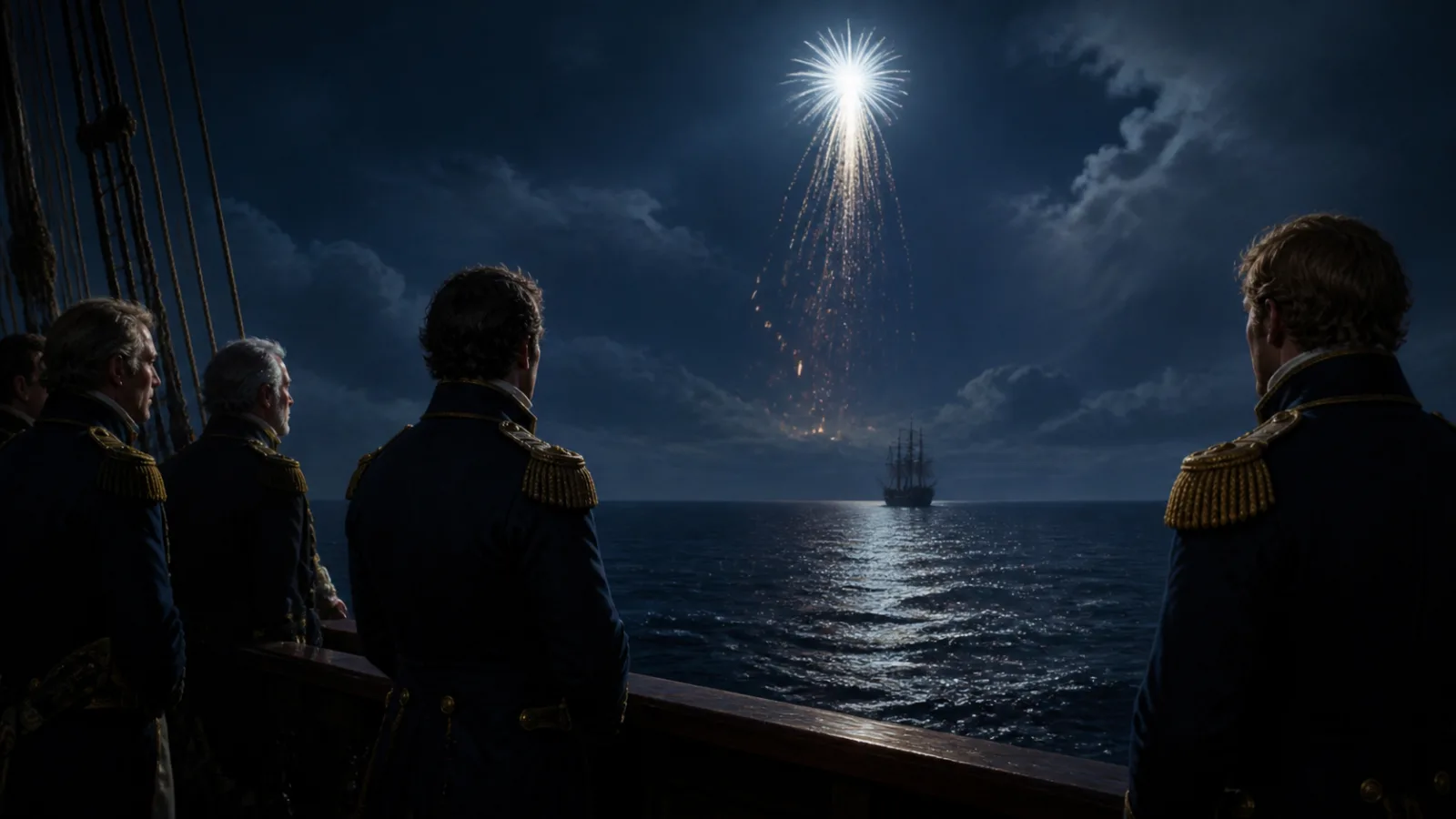
Roughly ten minutes after the collision, something happened aboard the Californian that would be argued over for more than a century. Third Officer Charles Groves saw the lights of a ship on the horizon. He and other crew members — Second Officer Herbert Stone and apprentice James Gibson, who took over watch after midnight — later testified to observing this vessel for over an hour. They saw her deck lights, and then, starting around 12:45 a.m., something else: white flares rising and bursting in the sky. Eight of them, by their count, between about 12:45 and 1:40.
This is documented in the British and American inquiry testimony, given under oath by multiple witnesses aboard the Californian.
What they did with that information is where the mystery lives.
Stone reported the flares to Captain Lord, resting in the chartroom below. By most accounts, Lord asked whether they were company signals — used at the time for ships to identify themselves, not distress rockets — and told Stone to keep trying to raise the mystery ship on the Morse lamp. No response ever came back. The flares kept going up. Lord, according to the testimony of his own officers, never came up to look for himself, and never ordered the wireless operator woken.
Meanwhile, the Titanic was firing distress rockets — the same white flares, the internationally recognized signal of a ship in mortal danger — roughly every five to ten minutes, in a desperate bid to summon any vessel within sight.
The ship Stone and Gibson watched went dark around 2 a.m., appearing, in their words, to steam away. The Titanic sank at 2:20.
Too Late to Help
When the Carpathia arrived at the wreck site around 4 a.m., she found the Californian already nearby. Both ships were in radio contact by then, and once Evans woke and switched his wireless back on, he learned for the first time what had happened during the night. The Californian steamed toward the debris field and searched, but found no survivors. Every person the Titanic lost was already gone.
The two inquiries that followed — one in the United States, one in Britain — set out to answer a brutally simple question: was the ship Stone and Gibson watched fire eight rockets into the sky the Titanic herself? And if so, was the Californian close enough to have reached her in time to save lives?
The British Inquiry's Verdict
The British inquiry, led by Lord Mersey, concluded that it was. Mersey's report stated that the Californian could have pushed through the ice, reached the Titanic, and saved many of those who died — and that her failure to do so was inexcusable. Captain Lord's career in the merchant marine was effectively finished by that verdict, and he would spend the rest of his life trying to clear his name.
On its face, the case against him is damning: a ship stopped for the night, crew members who watched unexplained flares for nearly an hour, a captain who was told repeatedly and chose not to see for himself, a wireless set switched off at the exact hour it was needed most.
The Defense and the Position Dispute
But the story does not end as cleanly as the 1912 inquiry wanted it to. Captain Lord's defenders — including serious maritime historians who've spent decades on this specific question — point to the ship's own logged position. The Californian reported her stopped location as roughly nineteen and a half miles from the Titanic's distress coordinates. If accurate, she would have been beyond the horizon, unable to see the Titanic's rockets at all, no matter how closely her officers watched the sky. Under that reading, the ship Stone and Gibson saw firing flares was a third, still-unidentified vessel — one that has never been conclusively identified, then or since.
New Evidence from the Wreck
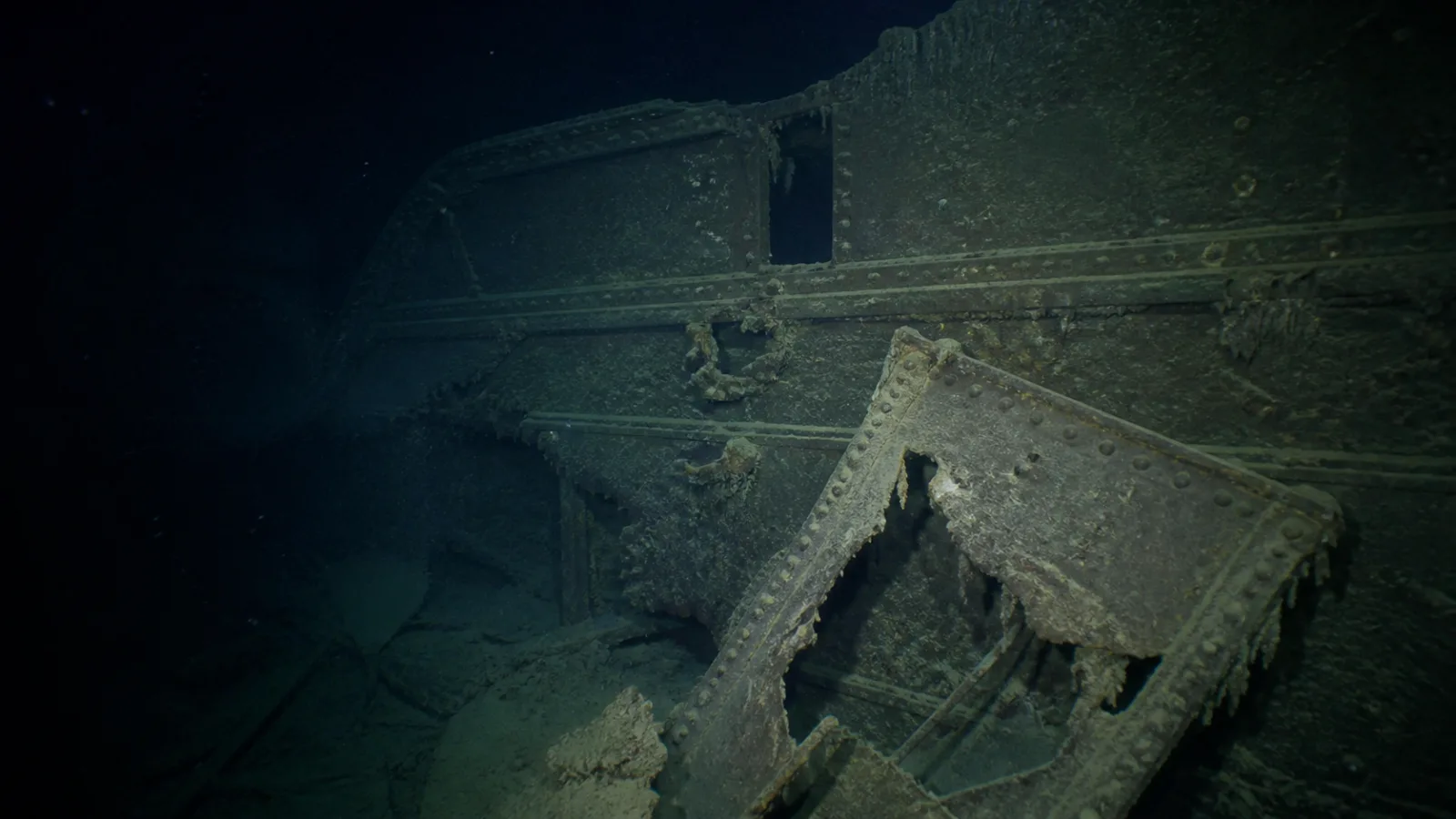
When the Titanic wreck was located in 1985 and its resting position mapped precisely, researchers worked backward using known currents and drift patterns to estimate where the ship actually struck the iceberg. That calculated position sits closer to where the Californian was than the ship's own logged coordinates suggested. This reopened the case.
A 1992 reassessment by the British Marine Accident Investigation Branch weighed the new positional evidence and concluded it was more likely than not that the Californian was, in fact, close enough to see the Titanic's rockets — likely somewhere between five and ten miles away, not the nineteen originally claimed.
Even that reassessment stopped short of certainty. Ice pack navigation in the dark, before satellite positioning or radar, was never precise. Both ships were essentially dead-reckoning their location relative to a star fix taken hours earlier. A few miles of error, in either direction, was entirely plausible, and no one has ever definitively proven exactly where either vessel sat that night.
There's also a mundane possibility worth taking seriously alongside the darker one: that a genuine third ship was out there, one that came and went without ever learning what it had sailed past, its identity lost to history along with whatever reason it had for not answering the Californian's lamp signals. Several vessels were known to be in that general stretch of ocean that night. None has ever been definitively placed close enough to be confirmed as the mystery ship — and none ever came forward.
An Unresolved Legacy
What's not disputed is the human cost of the delay. If it was the Titanic that Stone and Gibson watched, then for close to an hour, men stood on the deck of a nearby ship, watched flares climb into the sky exactly where the maritime rulebook said a vessel in distress would fire them, and did not wake their own wireless operator to ask a ship ten miles away what was happening. Whether that ship could have arrived in time to matter is a separate question from whether anyone tried.
Captain Lord spent decades appealing his case, gathering affidavits, recalculating positions, insisting the ship his crew watched was not the Titanic. He died in 1962 still fighting for exoneration that never fully came. The official verdicts against him were never formally overturned, even as later evidence complicated the story that convicted him.
The mystery does not resolve into a villain and a verdict. It resolves into a set of overlapping uncertainties: an imprecise position, a mistaken assumption about flare colors, a captain who trusted a subordinate's judgment over his own eyes, and possibly a phantom ship that has never been named.
Somewhere out on that ice field, at around one in the morning, a set of officers watched a ship fire distress signal after distress signal into the sky — and chose to interpret it as something else. Whether that ship was the Titanic remains, even now, a question the evidence can narrow but never fully close.