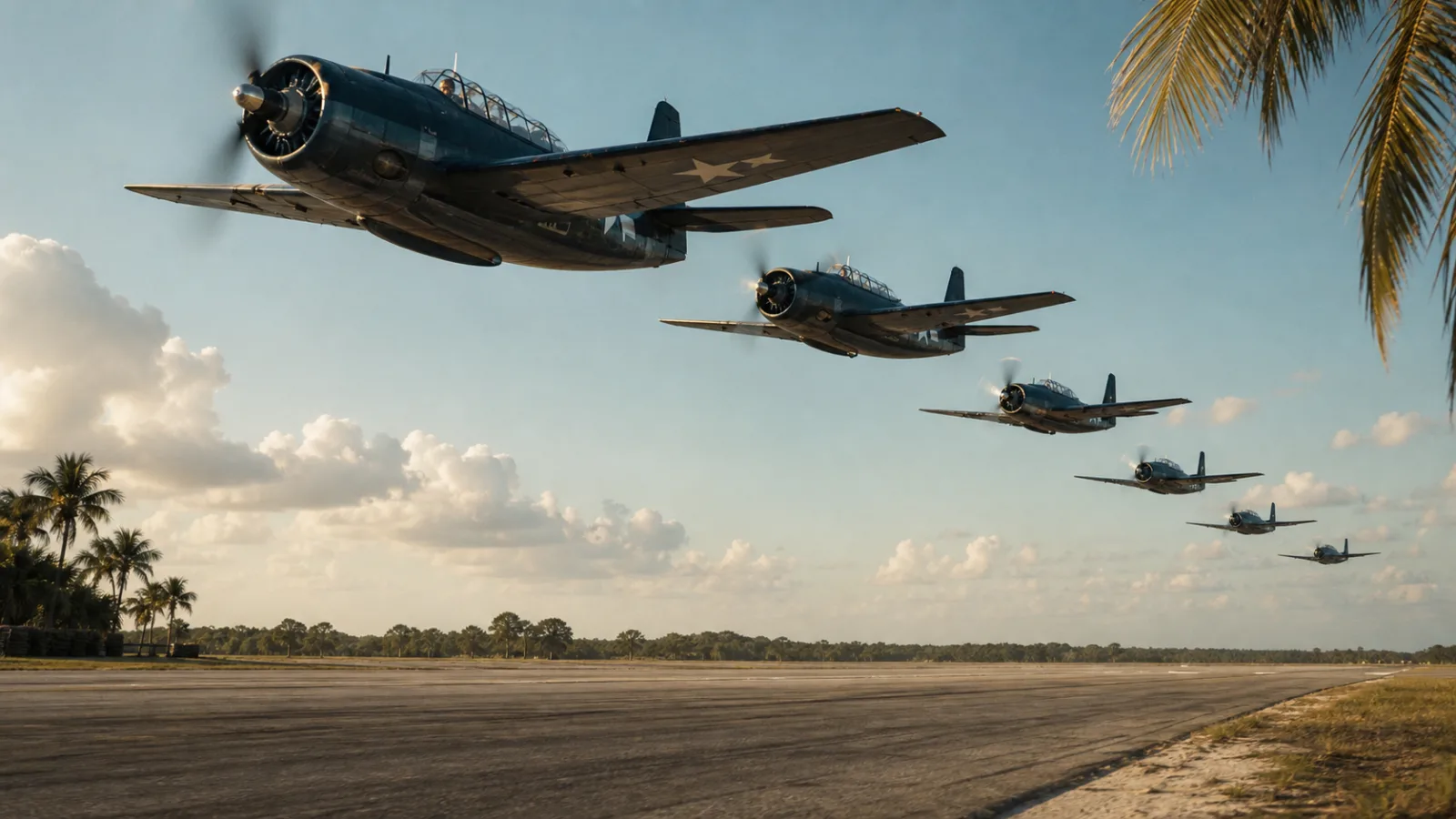
On December 5, 1945, five Navy Avenger bombers lifted off from Fort Lauderdale, Florida, carrying fourteen men on a routine training exercise called Flight Nineteen. Two hours later, the flight leader radioed in with words no instructor wants to hear: "We are not sure where we are. We cannot be sure just where we are." Then silence. A rescue plane carrying thirteen more men launched to search for them. It vanished too.
By morning, nineteen men were missing, six aircraft were gone, and no wreckage was ever recovered. It became one of the founding stories of a legend that has haunted sailors, pilots, and armchair investigators for nearly eighty years: the Bermuda Triangle.
Where and What Is the Bermuda Triangle?
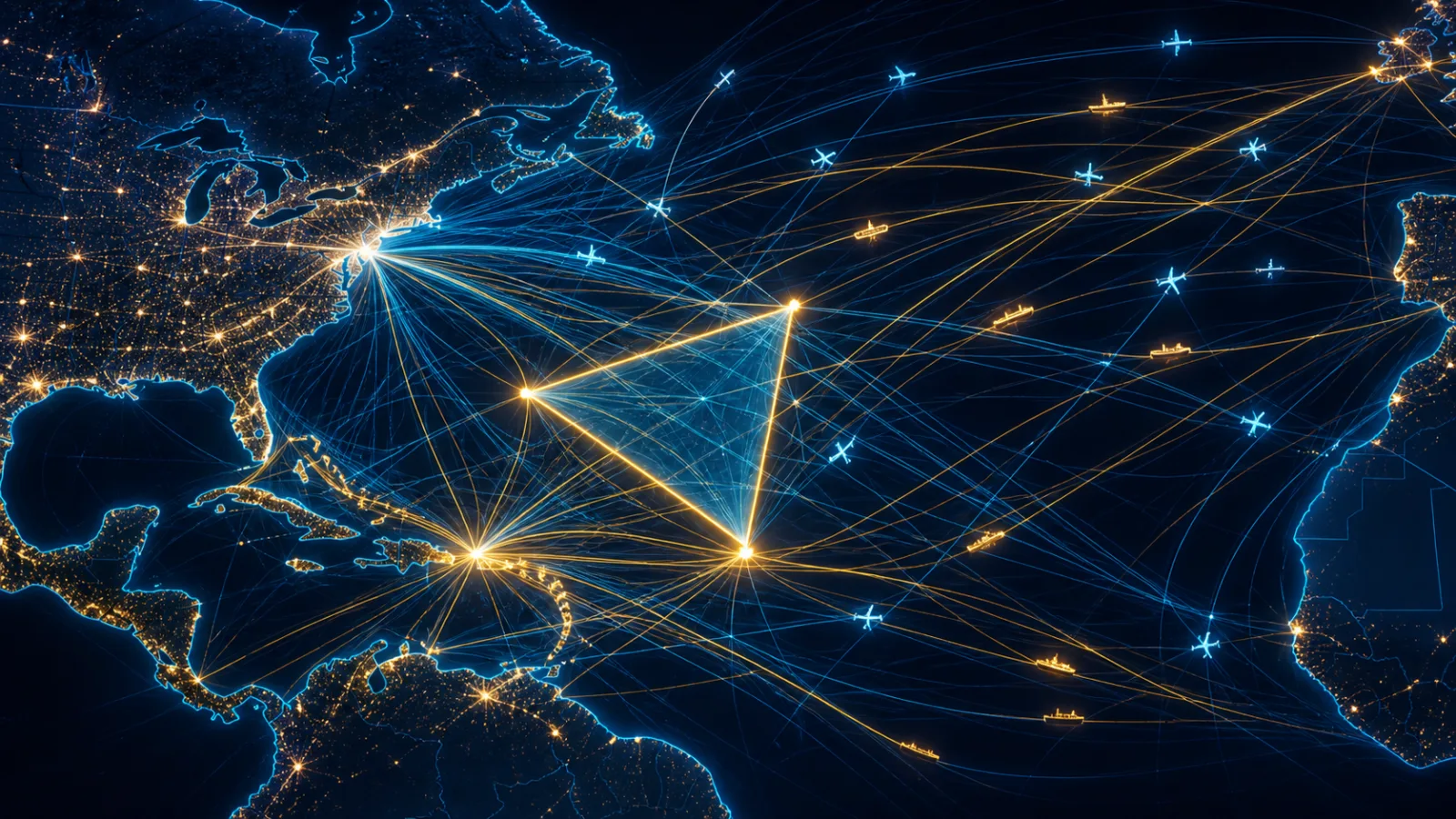
The Triangle has no official government boundary. Roughly, it spans the water between Miami, Bermuda, and Puerto Rico, covering hundreds of thousands of square miles of the western Atlantic. It sits above some of the deepest ocean trenches in the hemisphere, crossed by the fast and unpredictable Gulf Stream, and subject to sudden, violent weather that can turn a calm sea dangerous within the hour.
Strange accounts from these waters predate the modern legend by centuries. Christopher Columbus reportedly wrote of odd lights on the horizon and erratic compass readings while sailing through the region in 1492. But the version of the story most people know today, built around vanished ships and planes, took shape in the twentieth century.
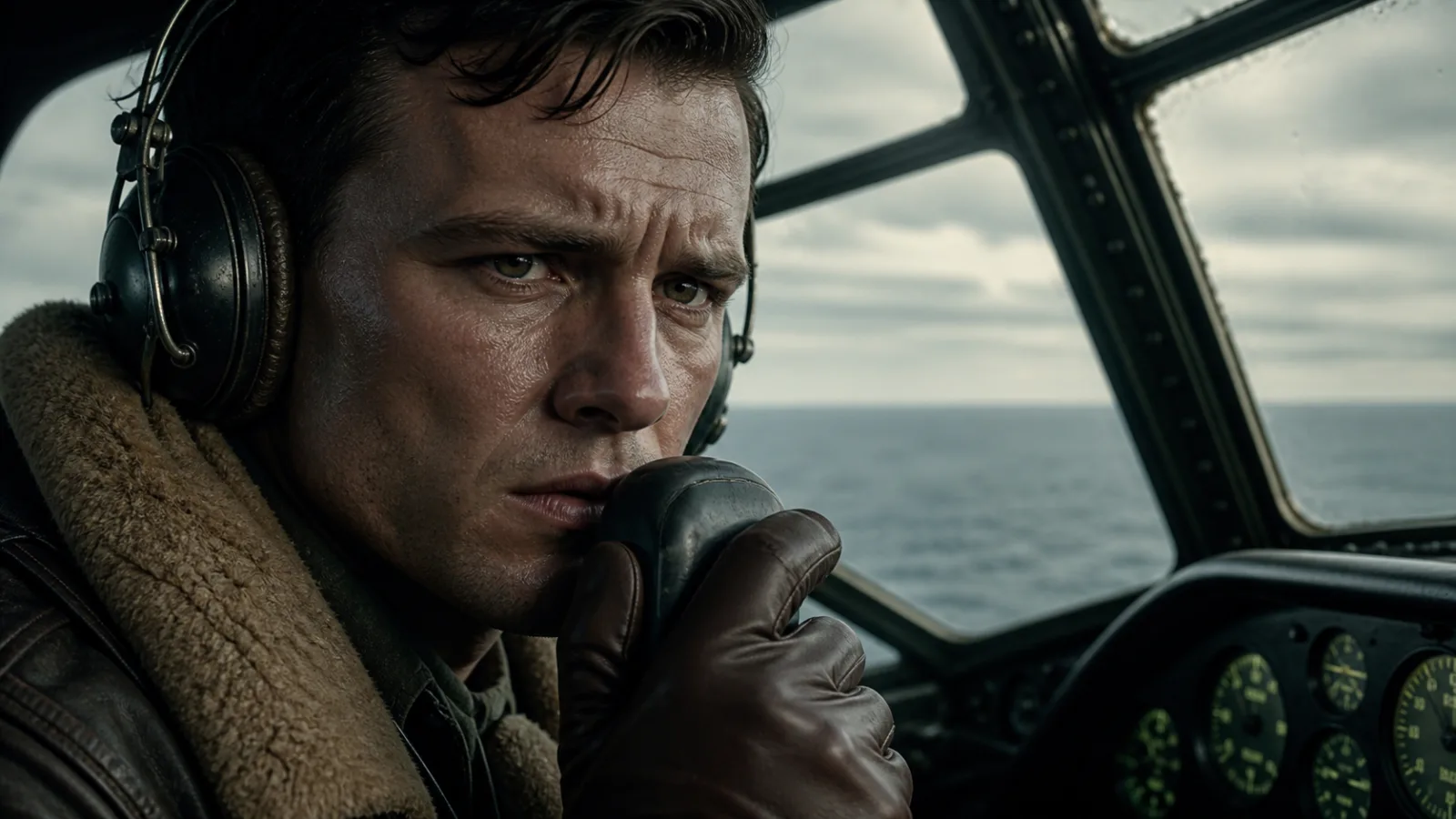
Inside Flight Nineteen's Disappearance
Flight Nineteen was not a case of amateur pilots making rookie mistakes. The airmen were trained Navy personnel flying a navigation exercise they had completed many times. The flight leader, Lieutenant Charles Taylor, was an experienced instructor, though he had recently transferred to the base and was unfamiliar with the local waters. Weather reports from that day noted rough seas and winds building through the afternoon.```
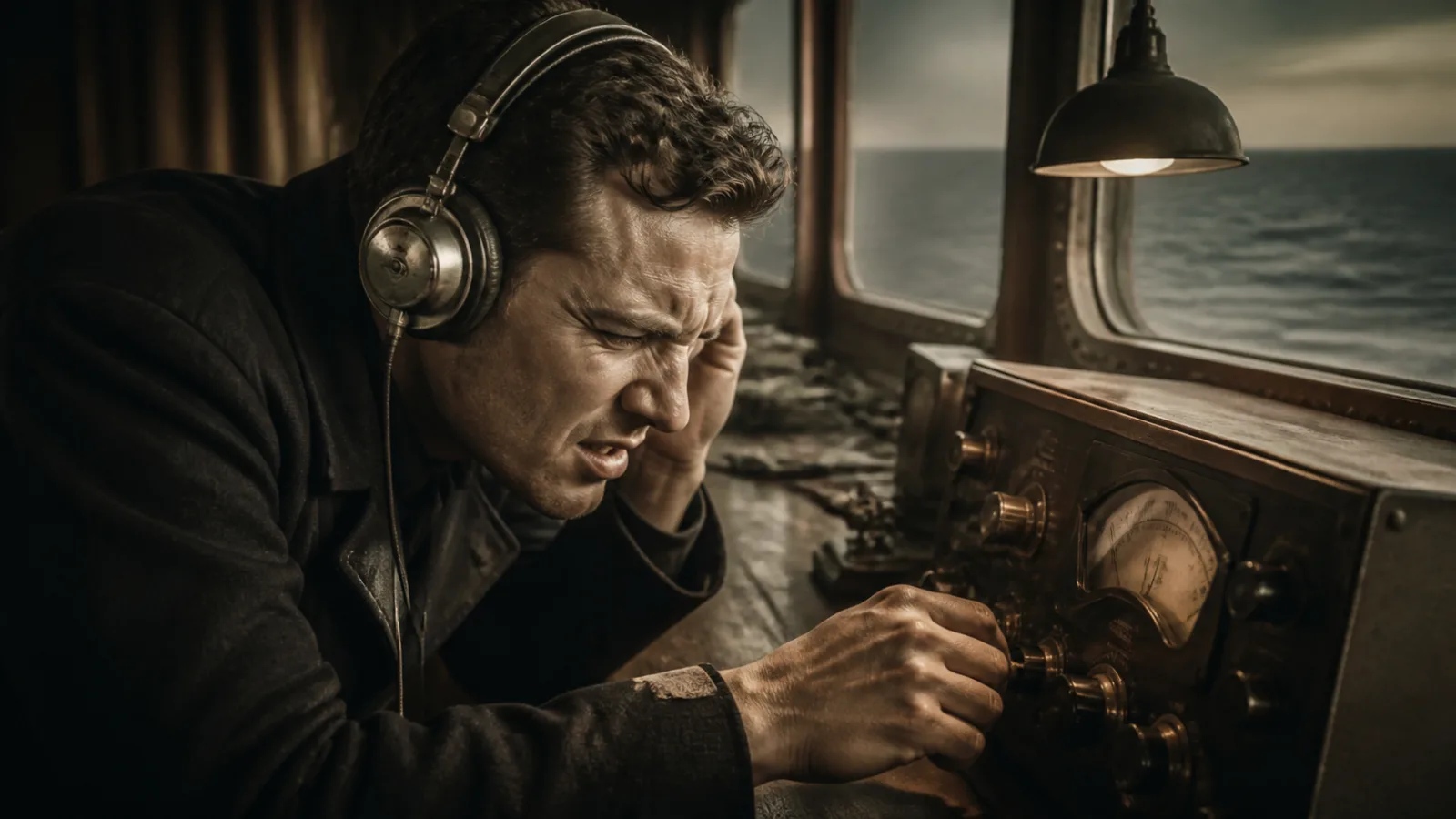
About ninety minutes in, radio transmissions grew confused. Taylor believed his compasses were malfunctioning and told the other pilots he thought they were over the Florida Keys, far south of their intended position. Other transmissions suggest junior pilots disagreed, believing they were actually east of Florida, closer to where they were supposed to be. Ground radio operators tried to help, but atmospheric interference and equipment limitations hampered communication. As the sun set and fuel ran low, Taylor's last transmissions indicated the flight was still searching for land. Then, nothing. No wreckage, no oil slicks, no life rafts were ever found. 
The Navy's own investigation later cited pilot disorientation and deteriorating weather as the likely cause, noting that five heavy aircraft ditching into rough open ocean at night would leave little trace, particularly before search teams could reach the area the next day.
The Rescue Plane's Fate
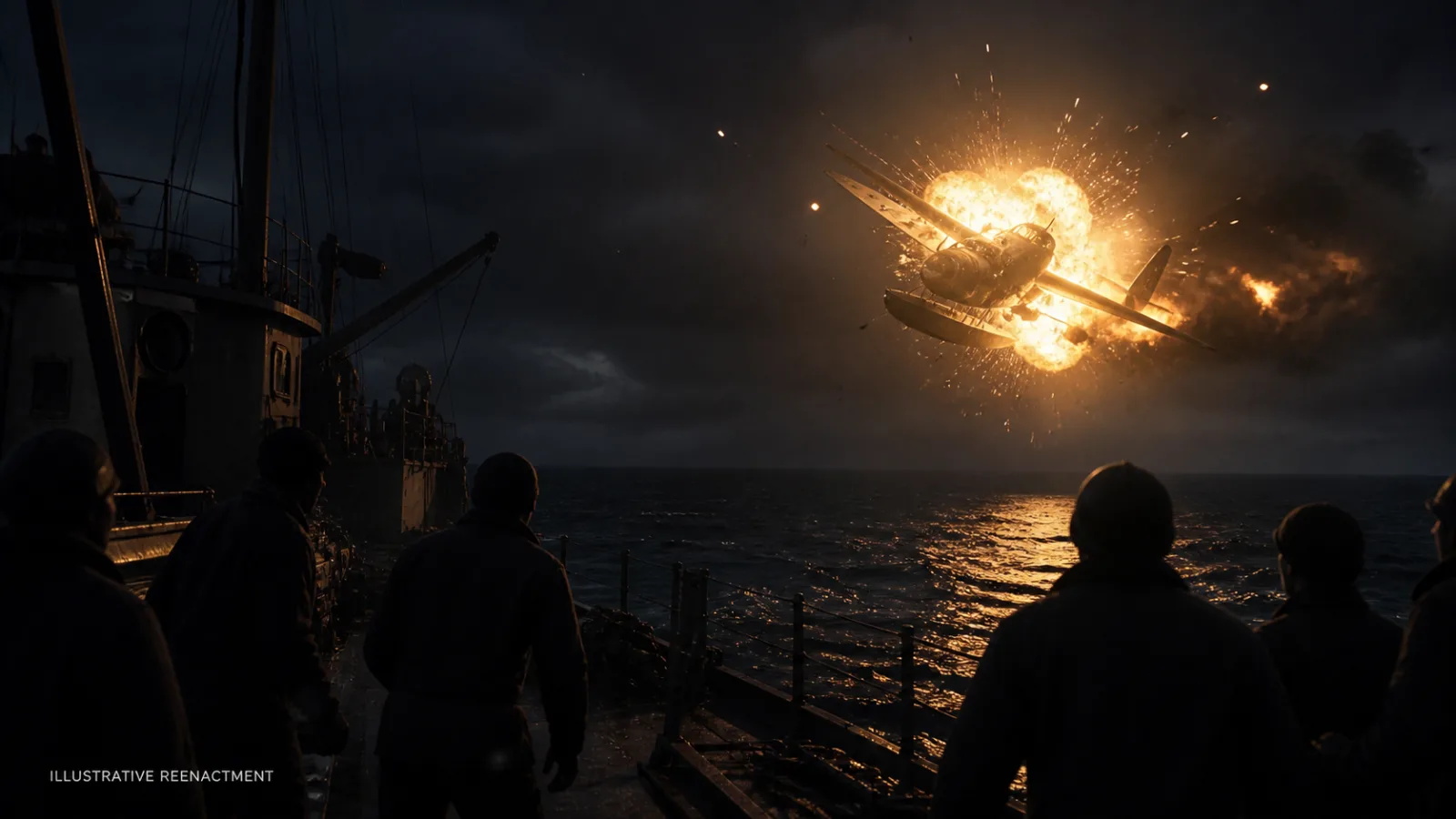
One of the more concrete explanations in the entire case involves the rescue aircraft sent to find Flight Nineteen. That PBM Mariner seaplane had a documented history of fuel vapor leaks that made it prone to explosion. A nearby merchant ship reported witnessing an explosion in the sky at roughly the time and location the rescue plane would have been searching. This detail is often left out of more sensational retellings, but it remains one of the strongest pieces of physical evidence in the entire Flight Nineteen story.
Other Famous Disappearances
Flight Nineteen put the Triangle on the map, but it's far from the only case associated with the legend.
USS Cyclops
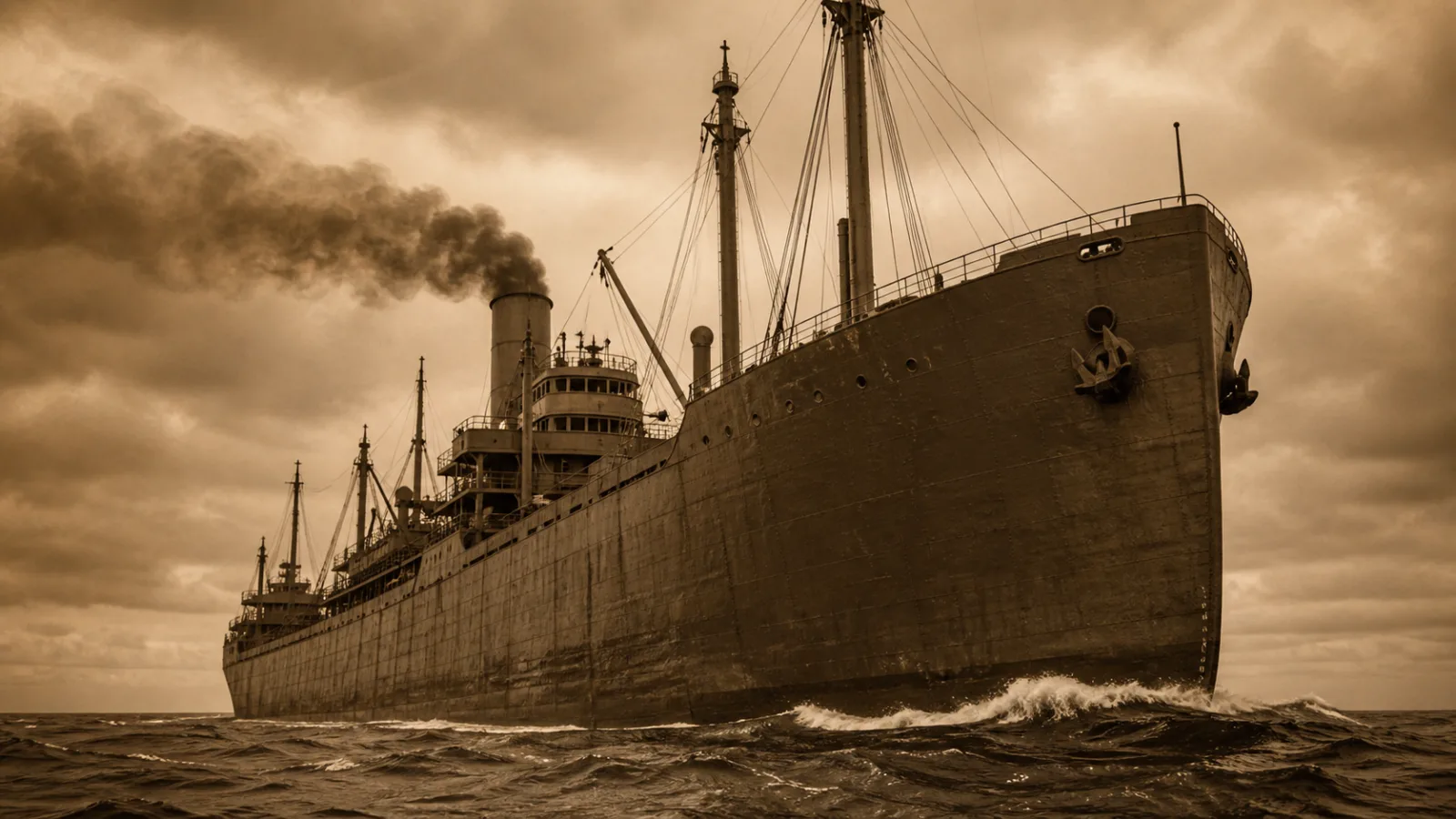
In March 1918, the USS Cyclops, a Navy collier over five hundred feet long, vanished with 306 people aboard somewhere between Barbados and the Chesapeake Bay. No SOS was ever received, and no wreckage has been confirmed. It remains the largest loss of life in United States Navy history not caused by combat. Theories point to her cargo of manganese ore, which can shift and destabilize a ship if improperly loaded, as well as the vessel's documented history of structural strain as an aging, overloaded ship. The possibility of a wartime German attack was investigated but never confirmed. To this day, the Navy's own records simply describe her fate as unknown.
SS Cotopaxi
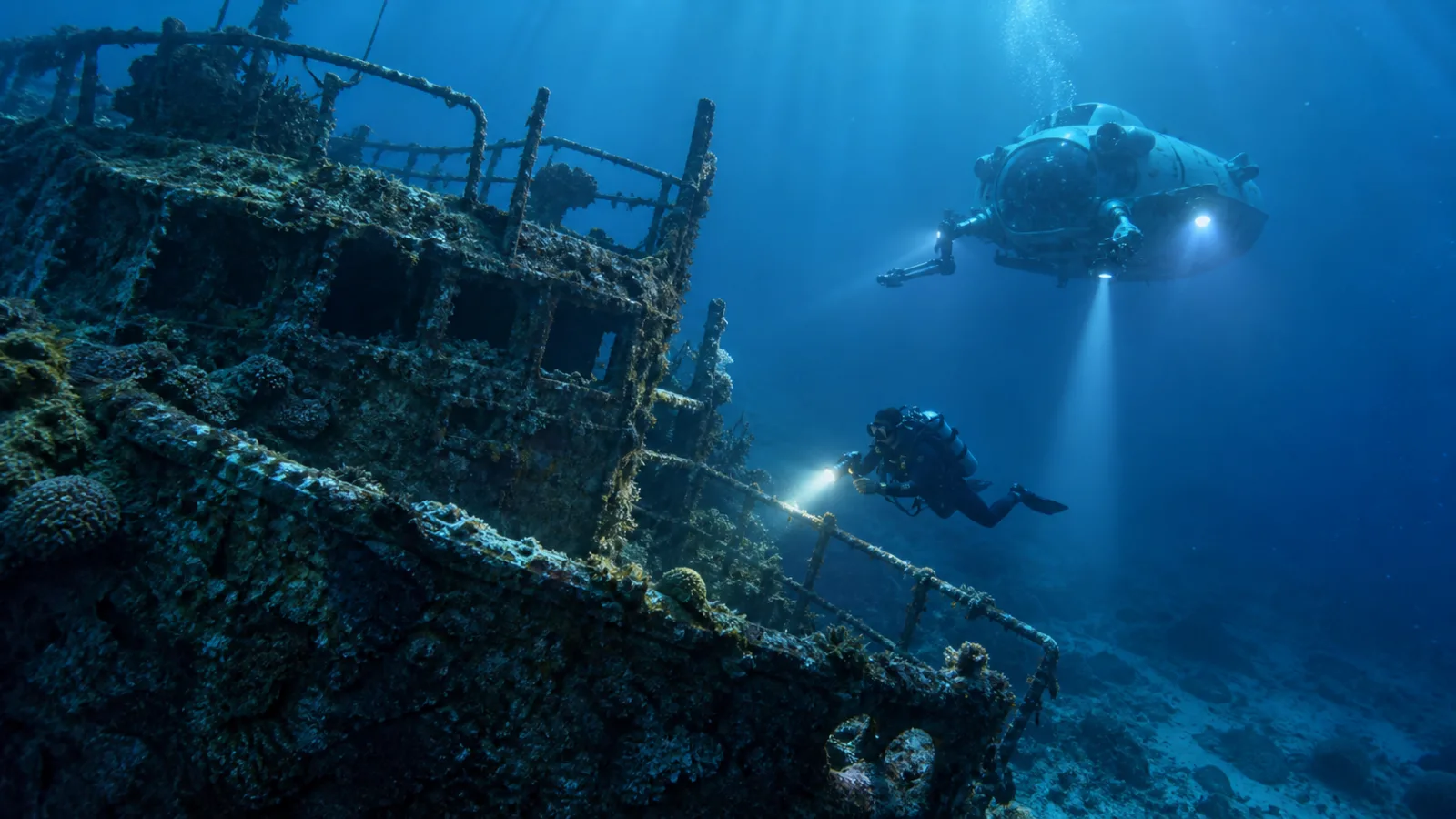
In 1925, the SS Cotopaxi, a steamship carrying coal from Charleston to Havana, disappeared in the same general waters after sending a distress call describing rough weather. In 2020, researchers identified a wreck off the Florida coast that was later confirmed through detailed analysis to almost certainly be the Cotopaxi. The evidence points to a comparatively mundane explanation: the ship foundered in a storm and sank, an aging vessel overwhelmed by bad weather and open sea.
The Ellen Austin Legend
The Ellen Austin is said to have encountered a derelict vessel in the 1880s, placed a boarding crew aboard it, and then lost that crew and the derelict altogether in a fog. It's one of the Triangle's most chilling stories, and also one of its least documented. No verified ship's log or contemporary record confirms the details as they're usually told, and much of what circulates about it appears to have been embellished over decades of retelling.
How the Legend Was Built
That pattern of embellishment is central to understanding the modern Bermuda Triangle story.
In 1964, writer Vincent Gaddis coined the term "Bermuda Triangle" in a magazine article, pulling together disparate stories of lost ships and planes spanning more than a century into a single narrative. In 1974, author Charles Berlitz published a bestselling book that pushed the idea into mainstream popular culture, weaving in claims of magnetic anomalies, sea monsters, and lost Atlantean technology. The book sold millions of copies, but according to later researchers, it also contained numerous factual errors and exaggerations. Some cases it cited happened outside the Triangle's boundaries, others had mundane explanations already on record, and some appear not to have happened as described at all.
Lawrence Kusche's Investigation
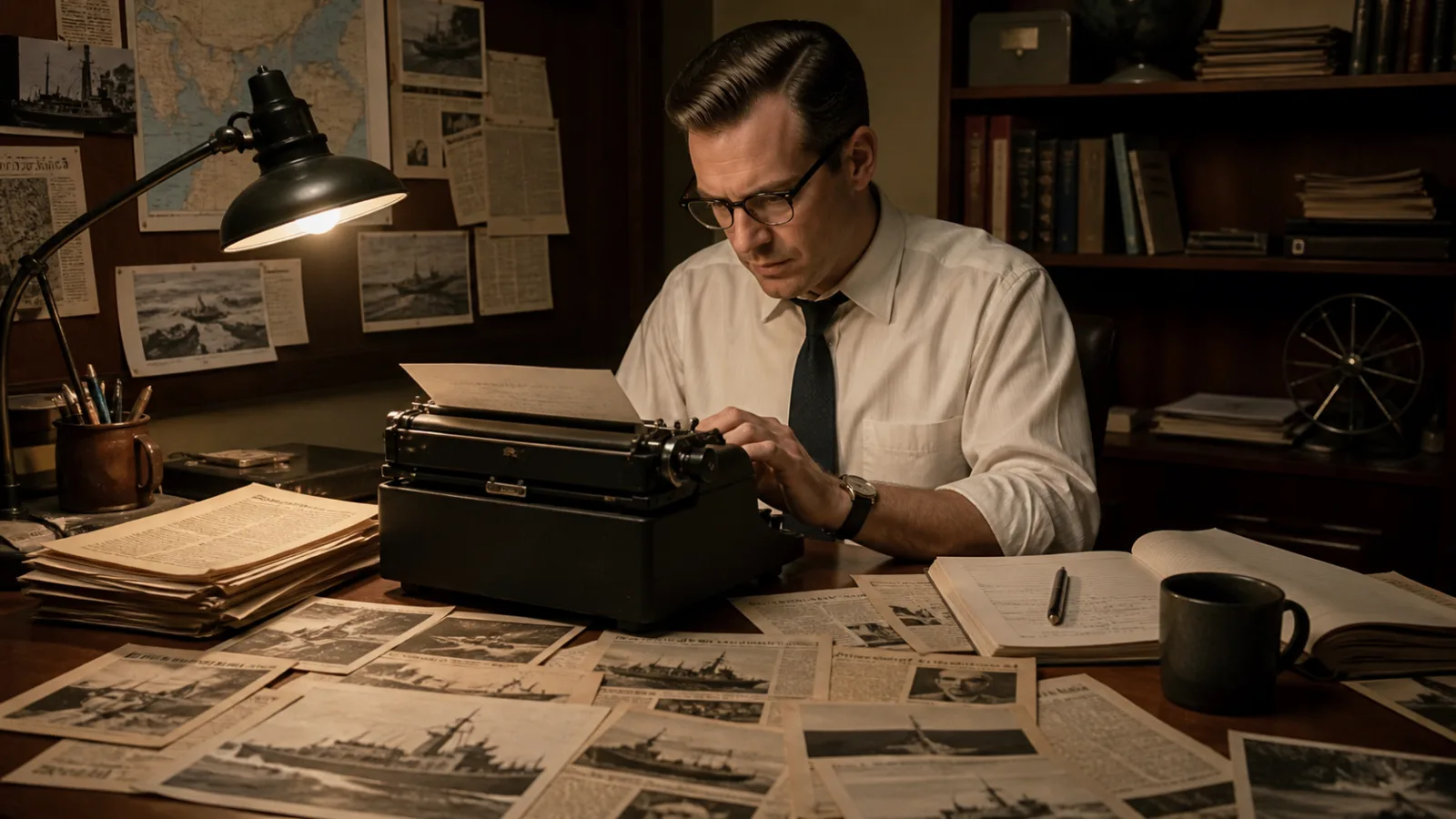
In 1975, librarian Lawrence Kusche published "The Bermuda Triangle Mystery: Solved," returning to primary sources such as ship logs, weather records, Coast Guard reports, and insurance records. Case after case, he found the popular version of events didn't match the documentation. Ships reported lost in calm seas had actually vanished during recorded storms. Planes described as well-equipped sometimes had documented engine trouble before departure. Kusche's conclusion wasn't that nothing strange ever happened in the region, but that its reputation as uniquely deadly appeared to be built more on selective storytelling than on the actual numbers.
What the Coast Guard and NOAA Say
The numbers themselves are a significant piece of evidence. The United States Coast Guard and the National Oceanic and Atmospheric Administration have both stated they do not recognize the Bermuda Triangle as an area of unusual or inexplicable danger, and that the number of incidents there is not statistically greater than in other heavily trafficked ocean regions once traffic volume is accounted for. The area connecting the Gulf of Mexico, the Caribbean, and the eastern seaboard is one of the busiest maritime and aviation corridors on Earth, which alone would predict more incidents regardless of any mysterious cause.
Real Scientific Explanations
Several physical factors help explain the Triangle's reputation without invoking anything supernatural:
- The Gulf Stream moves fast and turbulently enough to scatter wreckage quickly or sweep it far from a vessel's last known position, helping explain why so many disappearances leave no trace.
- Sudden, localized storms and waterspouts can develop with little warning, especially in the era before modern satellite forecasting.
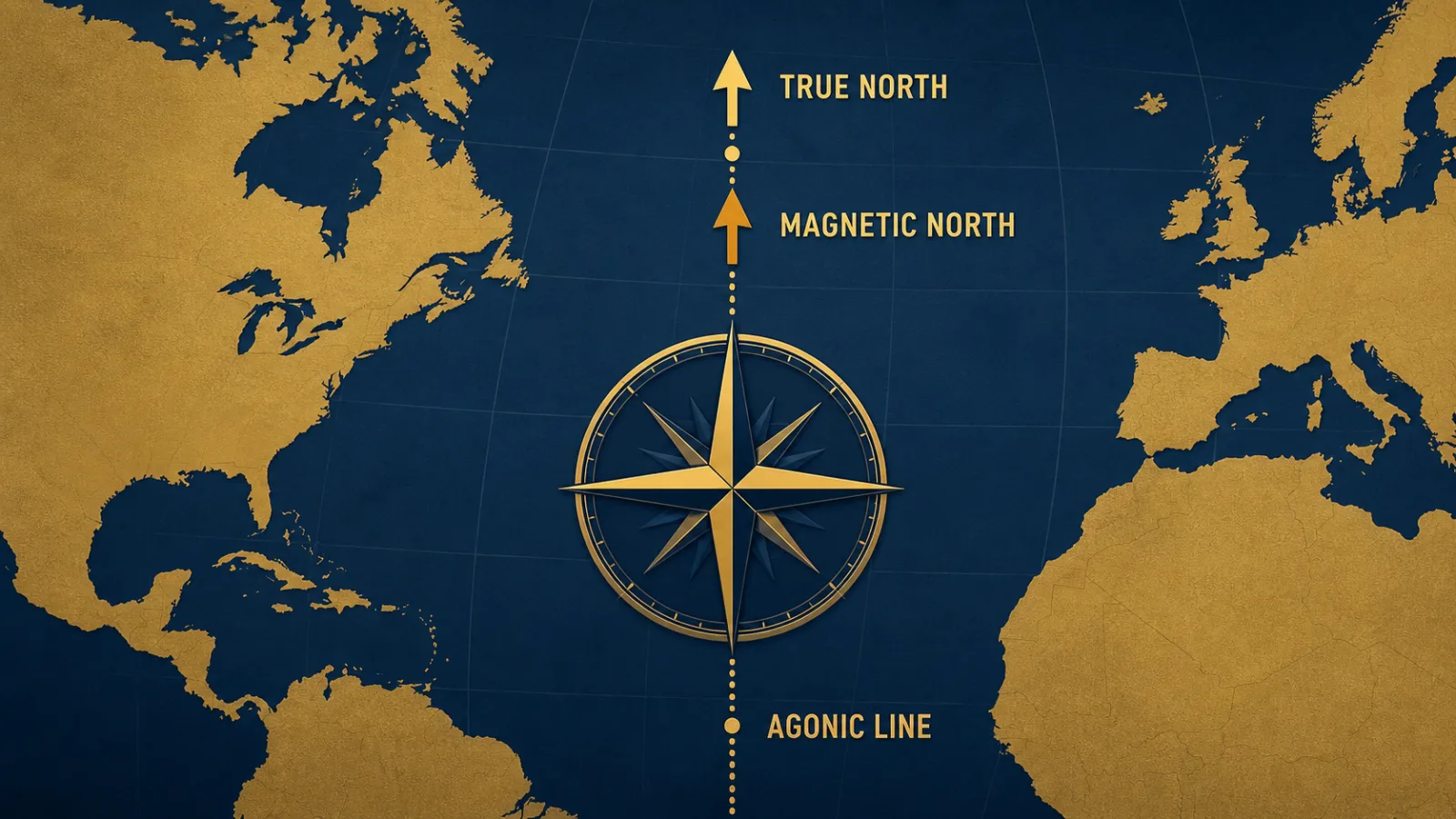
- Compass behavior once cited as evidence of magnetic anomalies is now understood differently. The Triangle is one of the few places on Earth where true north and magnetic north align, known as agonic lines, which could genuinely confuse pilots unfamiliar with the correction, not because of any strange magnetic force, but because of its absence.
- Deep ocean trenches in and near the Triangle make wreckage recovery extraordinarily difficult, sometimes impossible with the technology available at the time a ship or plane was lost. Much of that seafloor remains unmapped even today.
What Remains Unresolved
Not every case has been neatly explained. The USS Cyclops has never been found, and the Navy's own records describe her fate as unknown. The PBM Mariner rescue plane's disappearance has strong circumstantial evidence pointing to an in-flight explosion, but the aircraft and its thirteen crew members have never been recovered to confirm it. Flight Nineteen, despite reasonable explanations involving pilot disorientation and rough seas, remains a squadron of five aircraft that has never been located, in an ocean that has since given up wrecks far older and in far deeper water once someone knew where to look.
The Bermuda Triangle as a supernatural zone of destruction does not hold up under the weight of primary documentation. The named ships, case files, dates, and depositions tell a story less about a curse on the water and more about how quickly a good story can outrun the facts that inspired it. But somewhere along the floor of the western Atlantic, the wreckage of five Navy Avengers still lies in the dark, in a place no one has ever confirmed. Until someone finds it, the ocean keeps its answer to itself.