A Ship With No One Aboard
In December 1872, a British ship called the Dei Gratia spotted something wrong on the horizon of the mid-Atlantic. Another vessel was under sail, but it wasn't moving the way a properly crewed ship should. It was drifting, yawing, with no one visible at the helm.
The crew shouted across the water. No answer came back — only the creak of rigging in the wind. So they boarded her.
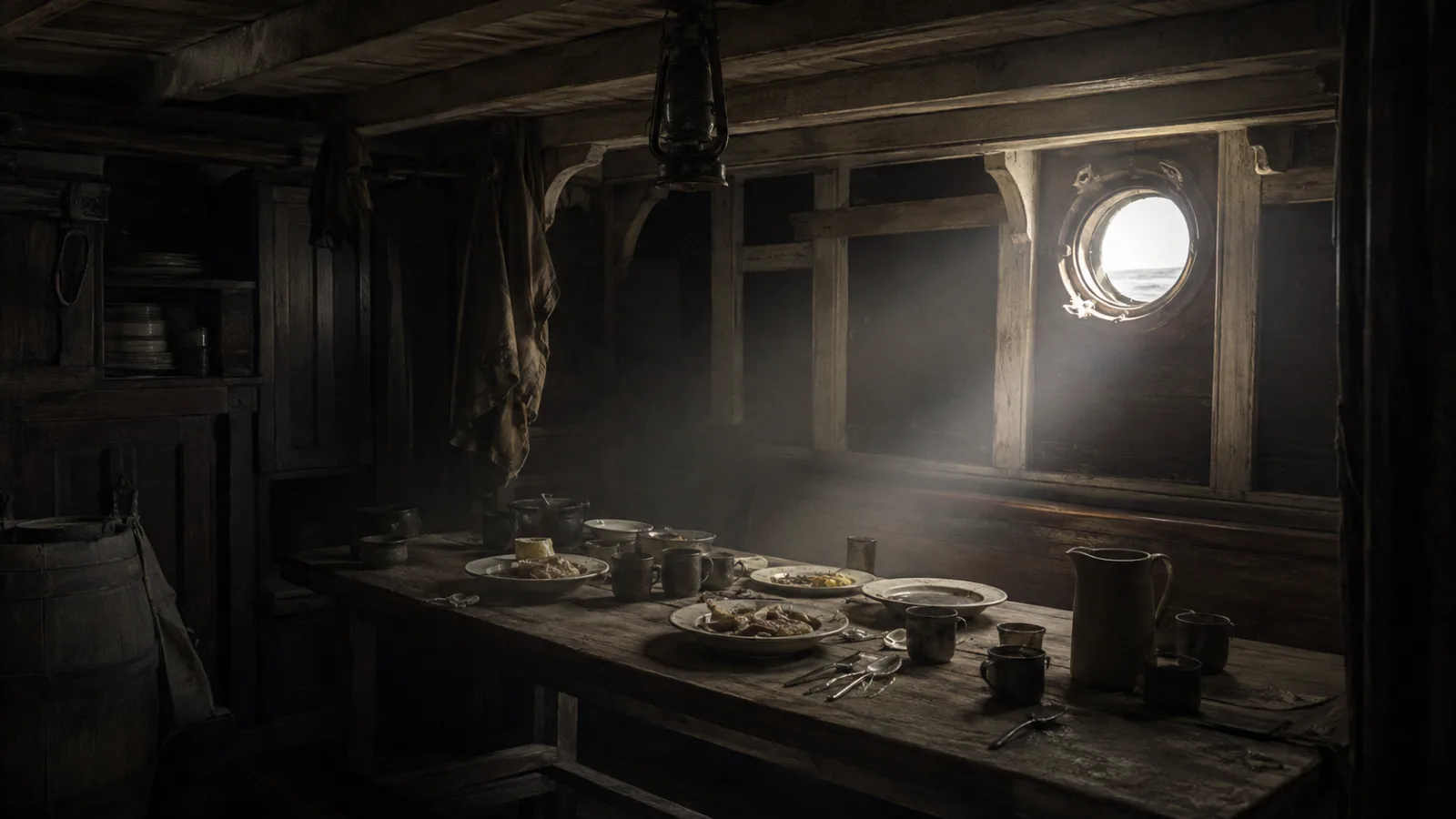
What they found didn't add up. The sails were still set. The cargo was intact. Food sat untouched on the table, and fresh water remained in the barrels. Personal belongings were exactly where their owners had left them.
But the people were gone. Captain Benjamin Briggs, his wife, their two-year-old daughter, and seven sailors — ten people in total — had vanished from a ship that showed no sign of disaster. No blood. No struggle. No storm damage.
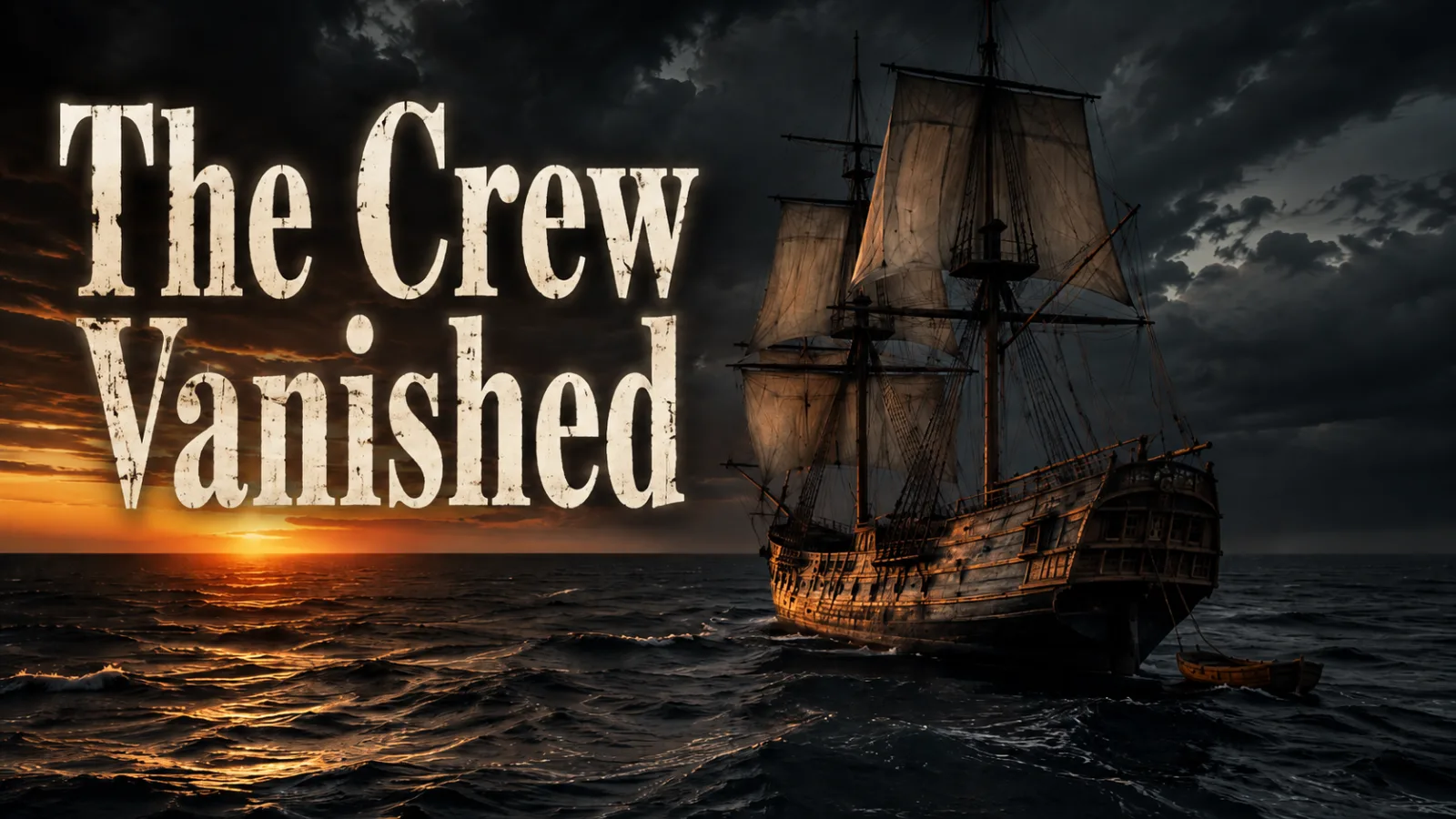
This was the Mary Celeste, and more than 150 years later, no one has ever definitively proven what happened to the people aboard her. The evidence, however, doesn't point toward a monster, a mutiny, or a myth. It points toward a decision — one that ten people made, and one that appears to have cost every one of them their lives.
An Unremarkable Ship, Until She Wasn't
Before December 1872, there was nothing unusual about the Mary Celeste. She was a brigantine, a two-masted sailing ship roughly a hundred feet long, built in Nova Scotia — a workhorse, not a legend in the making.
Her captain, Benjamin Briggs, had a reputation for being careful, sober, and experienced — the opposite of reckless. He trusted the ship enough to bring his wife, Sarah, and their young daughter, Sophia, along on the voyage.
On November 7th, 1872, the Mary Celeste left New York bound for Italy, carrying 1,700 barrels of industrial alcohol in her hold and ten people aboard. Everything about the departure was ordinary. It would be the last ordinary moment in the ship's story.
Discovery in the Middle of the Atlantic
On December 4th, the Dei Gratia found the Mary Celeste drifting. Her crew didn't yet know a crucial detail: the ship's last log entry was dated nine days earlier.
For nine days, the Mary Celeste had sailed the open Atlantic — covering hundreds of miles — with no one aboard to steer her, moving only on wind and current.
The boarding party recorded everything they observed, and each detail deepened the mystery rather than resolving it:
- The ship was seaworthy, taking on only a small amount of water that her pumps could easily have managed.
- The cargo remained in the hold.
- The crew's valuables and personal effects were untouched, which ruled out piracy.
- Food and water supplies were sufficient for roughly six months.
- There was no sign of violence anywhere aboard — no blood, no damage, nothing suggesting a struggle.
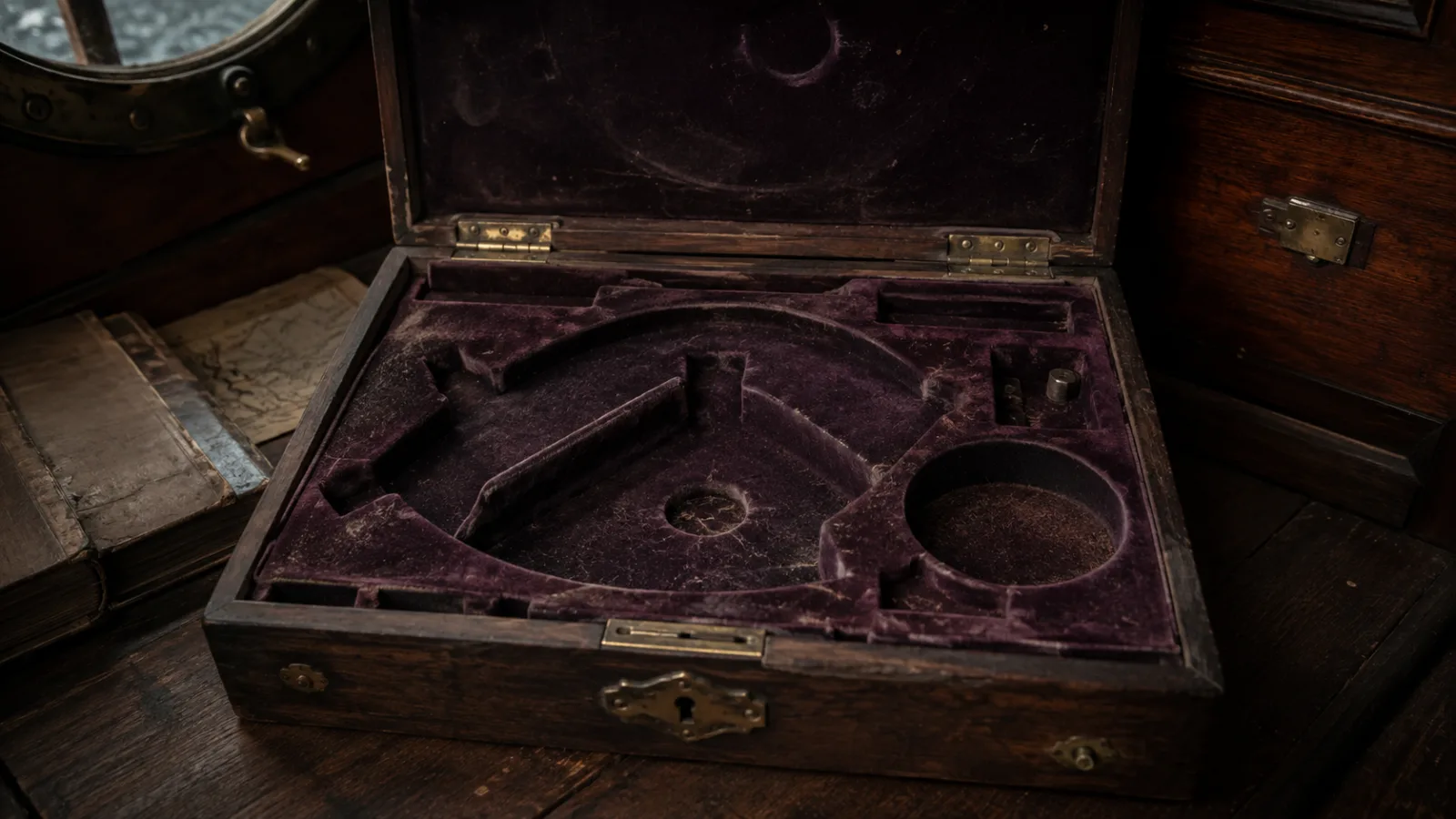
Two things, however, were missing: the navigation instruments — the sextant and chronometer, the tools someone would take if leaving deliberately — and the ship's lifeboat.
Ten people had left a floating, stocked, structurally sound ship and climbed into a small open boat in the middle of the ocean. The question investigators faced was why a careful man like Briggs would take his wife and infant daughter off a safe ship and into a dangerous one.
The Murder Theory That Fell Apart
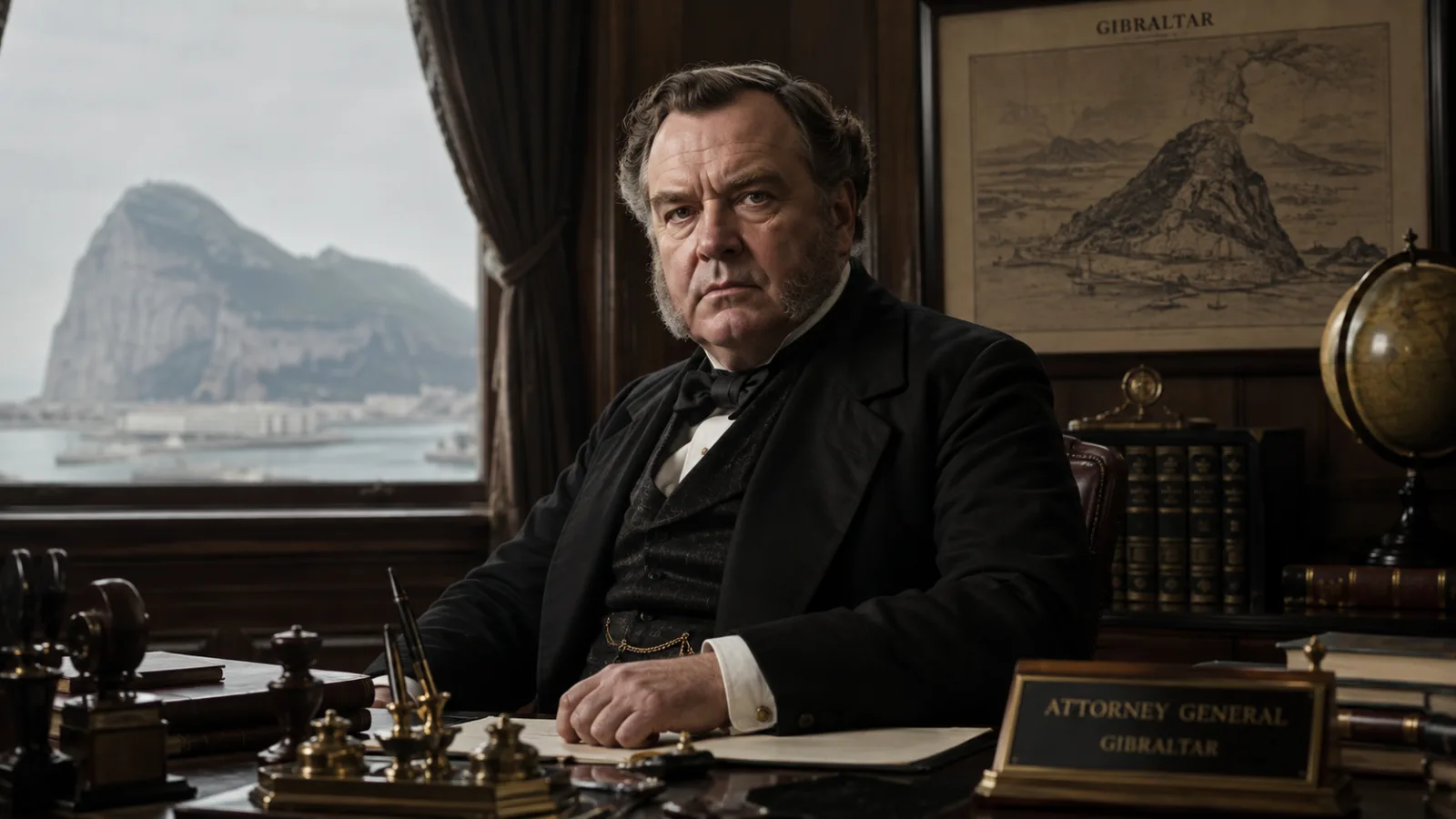
The Mary Celeste was towed to Gibraltar for an official inquiry. The Attorney General overseeing the case became convinced the answer was murder — a mutiny or a conspiracy for insurance money. He pointed to marks on the hull and a sword found in the captain's cabin as evidence.
The theory collapsed under scrutiny. The marks on the hull turned out to be natural and superficial. The sword had no trace of blood on it. And there was no credible motive: Briggs was well regarded, and the crew had clean records. The inquiry dragged on for months and ended without a conclusion, leaving nothing but lingering suspicion over men who appeared to have done nothing wrong.
The Leaky Barrels
If it wasn't murder, piracy, or a storm, the explanation had to lie elsewhere — and it may have been sitting in the cargo hold the entire time.
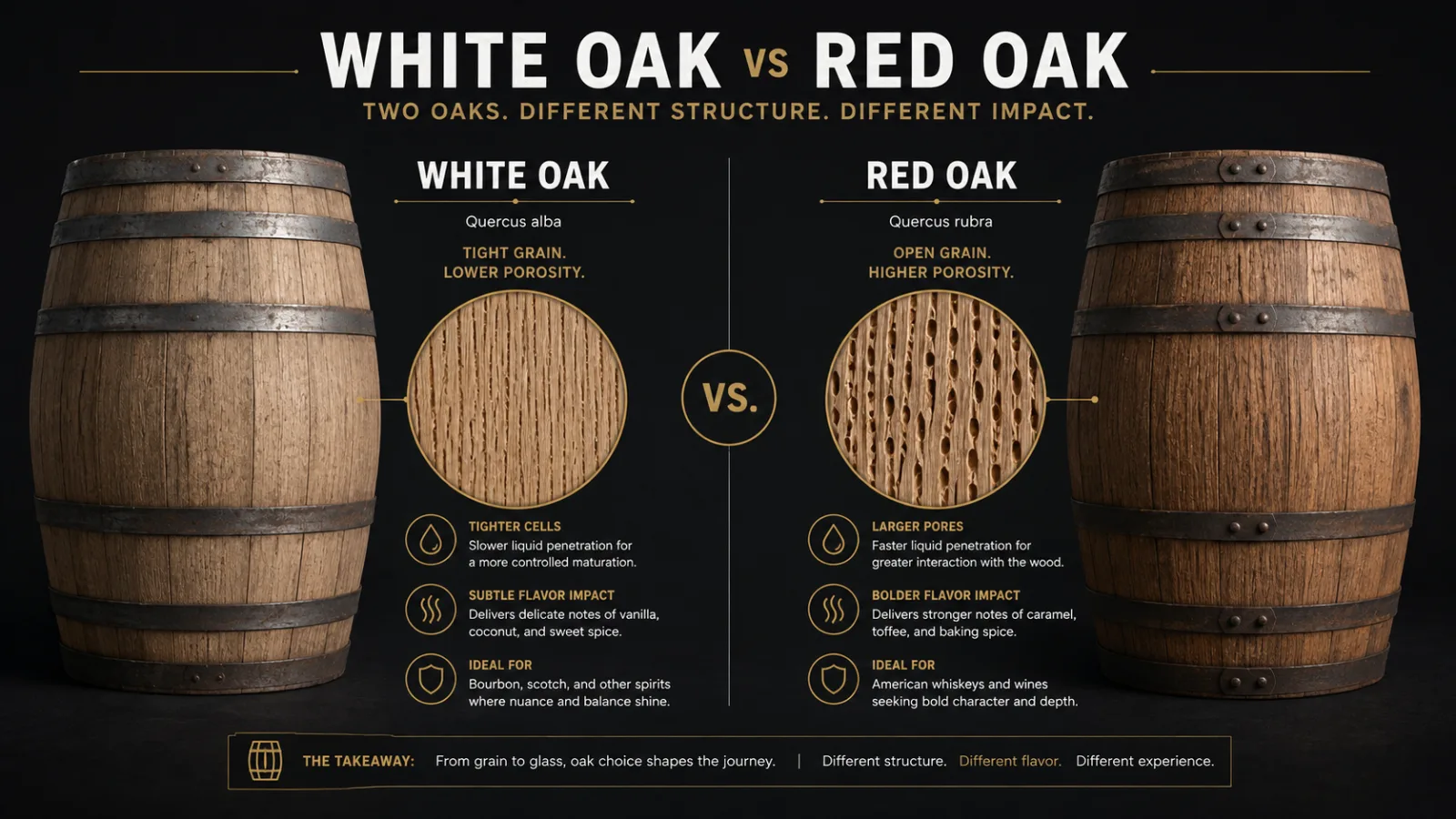
Of the 1,700 barrels of industrial alcohol in the hold, nine were found empty. Those nine barrels were also different from the rest: while the bulk of the cargo was packed in tightly sealed white oak, these nine were made of red oak, a more porous, leak-prone wood.
Industrial alcohol gives off vapor, and if it seeped from those leaky barrels, fumes could have built up inside the sealed hold — invisible and highly flammable. Many maritime historians believe something then triggered a sudden release of pressure: a rumble, a hiss, perhaps a brief and frightening vapor blast that produced no lasting fire, just a burst of fumes rising from the hold.
For a captain with his family aboard, believing his ship — loaded with 1,700 barrels of alcohol — might be about to explode would have been reason enough to order an evacuation: get everyone into the lifeboat, row to a safe distance, and wait to see what happened before returning.
This explanation fits the physical evidence closely. There was no fire damage. The ship was left intact. The navigation instruments were taken. The crew appears to have left in a hurry, but in an orderly way rather than in a panicked fight for survival.
How a Rational Decision Became a Tragedy
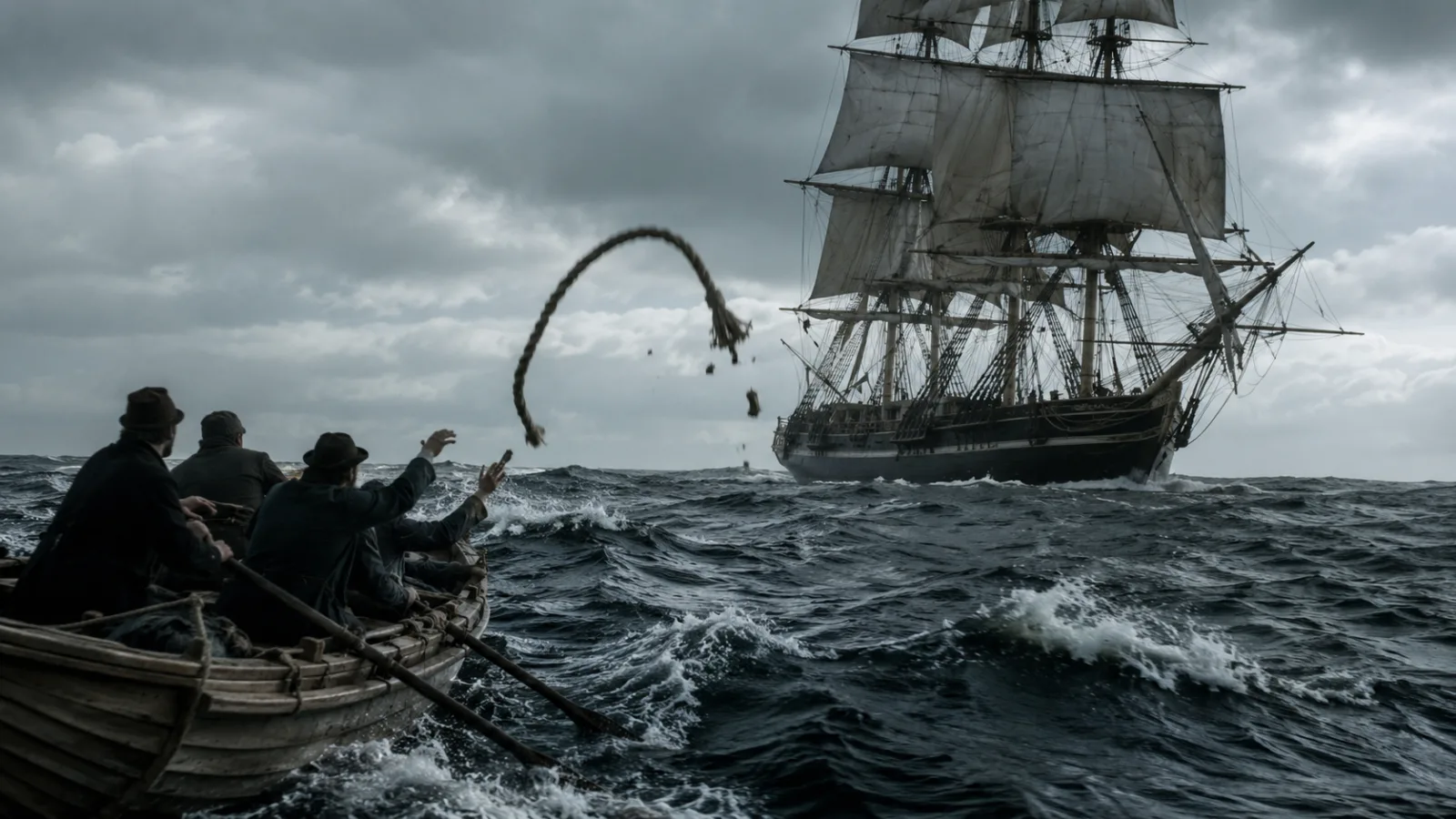
One detail may explain how a sound decision turned fatal. To stay near the ship while waiting out the danger, the crew likely tied the lifeboat to the Mary Celeste with a single rope.
If that rope snapped, or was released a moment too soon, the empty ship — still under sail — would have continued moving, faster than ten people in a rowboat could keep up with. Within minutes, the only safe refuge for hundreds of miles could have sailed out of reach for good, leaving the group in an open boat on a rising sea, with no land and no other ship in sight.
This is the theory most maritime historians take seriously today — not because it can be proven beyond doubt, but because it's the explanation that accounts for all the evidence at once.
How Fiction Created a Ghost Ship
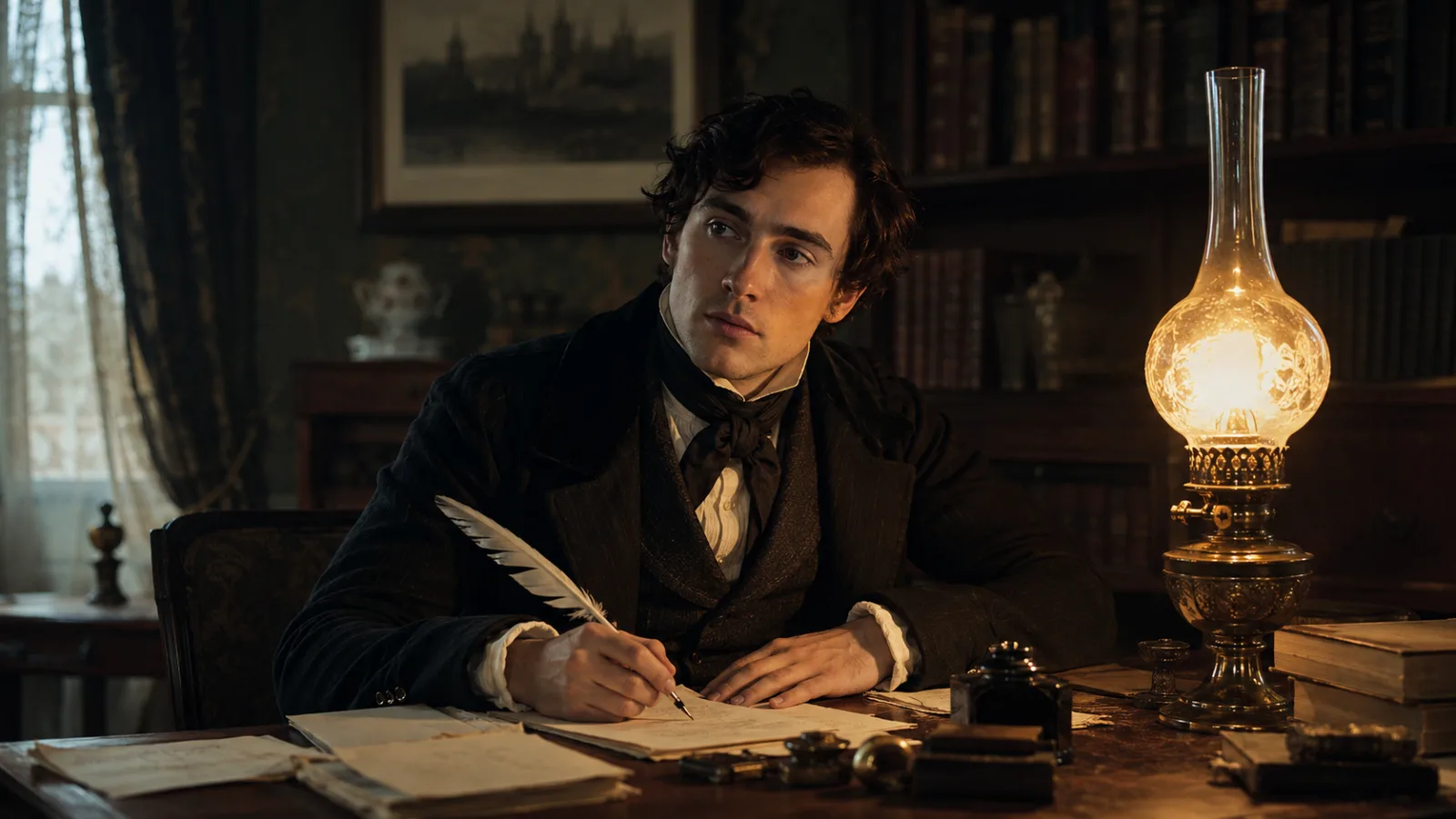
The Mary Celeste is often remembered as a haunted or unexplainable mystery, and that reputation traces back to a work of fiction. Twelve years after the ship was discovered, a then-unknown writer published a dramatized short story about the case, inventing eerie details — like half-eaten meals and still-warm tea — that were never actually reported.
That writer was Arthur Conan Doyle, years before he created Sherlock Holmes. His story also got the ship's name slightly wrong, calling it the "Marie Celeste." The error became so widely repeated that many people still use it today. Much of the popular, paranormal-tinged version of this story originated not from evidence, but from Doyle's fiction.
What Remains Unknown
No bodies were ever recovered, and no lifeboat ever washed ashore. Captain Briggs, his wife, his daughter, and the seven sailors aboard the Mary Celeste were never seen again.
The ship herself continued sailing for another twelve years, until her final owner deliberately wrecked her off Haiti as part of an insurance fraud scheme — an ignoble end for one of the most famous vessels in maritime history.
What makes the Mary Celeste endure as a mystery isn't the absence of a plausible answer — it's that the explanation feels almost within reach, while the one thing that would confirm it is gone forever: what Benjamin Briggs believed he saw in the moment he decided the safe ship had become the dangerous one.